If you are trying to picture daily life in Noe Valley, the fastest answer is this: it tends to feel more steady than flashy. You are not choosing the neighborhood for a big late-night scene or direct in-neighborhood BART access. You are choosing it for repeatable routines, easy local errands, park time, and a residential feel that still keeps you connected to the rest of San Francisco. Let’s get into what that actually looks like day to day.
Noe Valley feels routine-driven
A big part of Noe Valley’s identity centers on 24th Street, the neighborhood’s main commercial corridor. San Francisco Planning describes it as a daytime-oriented, multi-purpose district with retail and personal services at street level, office uses above, and residential use mostly on upper floors.
In plain English, that usually translates into a neighborhood where your week is shaped by practical stops and familiar places. Think coffee, a quick errand, a service appointment, a walk, and heading home. The rhythm tends to be more daytime and neighborhood-based than nightlife-based.
24th Street anchors everyday errands
If you live in Noe Valley, 24th Street is likely to become part of your normal routine. It is the kind of corridor where daily life can feel compact and manageable because many of the basics are concentrated in one central area.
That matters more than people realize when they first start home shopping. A neighborhood often feels easiest to live in when small tasks do not require a major plan, and Noe Valley’s commercial core supports that kind of convenience.
The pace is active, not hectic
Noe Valley often feels busy in a functional way rather than loud or rushed. You may see people grabbing coffee, walking dogs, picking up groceries, or heading to a class or appointment.
That kind of activity creates energy without making the neighborhood feel overly intense. If you like places where there is movement during the day but a more grounded residential feel overall, that is a useful clue about Noe Valley.
Town Square shapes community life
Noe Valley Town Square plays an outsized role in how the neighborhood feels. It hosts the year-round Saturday farmers market from 8 a.m. to 1 p.m. and also serves as a gathering space for cafe seating, exercise classes, music events, and neighborhood programs.
For many residents, spaces like this are what turn a neighborhood from convenient into familiar. You start recognizing the weekly rhythm, the market routine, and the fact that there is a shared public space where people naturally cross paths.
Saturdays have a built-in pattern
The farmers market gives the neighborhood a reliable Saturday anchor. Even if you do not shop every week, having that regular event in the center of the neighborhood helps shape the feel of local life.
It creates a sense that things happen on a schedule you can settle into. For buyers moving from a less walkable area, that can be one of the most appealing parts of daily life here.
The library adds to the neighborhood rhythm
The Noe Valley/Sally Brunn library branch adds another layer to everyday life. Its regular programming includes story times, homework hangouts, book groups, knitting circles, and other recurring events.
That kind of public programming supports a neighborhood that feels lived in, not just passed through. It also reinforces the idea that Noe Valley is built around routines and local gathering points rather than one big attraction.
Parks are part of normal life
Noe Valley has several public spaces that make outdoor time feel easy to fit into the day. Upper Noe Recreation Center includes a playground, off-leash dog area, basketball and tennis courts, pickleball, a gym, picnic areas, and programming options.
Douglass Playground adds an off-leash dog area, athletic field, baseball diamond, basketball and tennis courts, picnic space, and a playground with downtown views. Along with Town Square, these spaces help make walks, outdoor play, and casual recreation part of everyday neighborhood life.
Dog walks and kid time fit naturally
If your ideal neighborhood includes regular park stops, Noe Valley supports that well. The local recreation spaces are not just destination parks you visit once in a while. They are the kind of places that can become part of your weekly flow.
That can matter a lot if you are planning around pets, outdoor routines, or simply wanting more reasons to be outside without overcomplicating your day.
Coffee spots become part of the routine
Noe Valley also has the kind of small, repeat-visit businesses that shape how a neighborhood feels over time. Official business pages show Philz Coffee on 24th Street, Chloe’s Cafe on Church Street, Noe Cafe at 26th and Sanchez on a Slow Street, and Diamond Cafe on Diamond Street.
These places help explain why the neighborhood often feels personal and familiar. When you can walk to a few reliable coffee or brunch spots, the area starts to feel less like a map and more like a routine.
Transit is useful, but Muni comes first
When buyers ask about commuting from Noe Valley, the practical answer is that it tends to be more Muni-first than BART-centric. SFMTA lists service from J Church, 24 Divisadero, 35 Eureka, and 48 Quintara/24th Street, among other routes.
The 48 is especially notable because it runs 24 hours daily, with weekday service every 15 minutes during main daytime and evening periods and weekend service every 20 minutes in those same periods. That gives the neighborhood a dependable transit backbone for daily movement within the city.
BART is nearby, not in the neighborhood
Regional rail access comes from the 24th St. Mission and Glen Park BART stations, both outside Noe Valley proper. That means BART is accessible, but it is not typically the feature that defines daily life inside the neighborhood.
So if your ideal setup is stepping out your door to an in-neighborhood BART station, Noe Valley may not be the cleanest match. If you are comfortable with a Muni-based routine and nearby BART access when needed, it can work very well.
Housing feels classic San Francisco
Noe Valley’s housing stock is one of the clearest ways the neighborhood distinguishes itself. San Francisco Planning’s 2024 housing inventory lists 11,537 existing units, including 3,221 single-family units and 5,040 units in 2 to 4 unit buildings. Together, those two categories make up about 71.6 percent of the housing stock.
That points to a neighborhood still dominated by small-scale residential buildings. In practice, you are more likely to encounter flats, small homes, and multi-unit buildings than large towers or sprawling suburban-style properties.
Older homes shape the experience
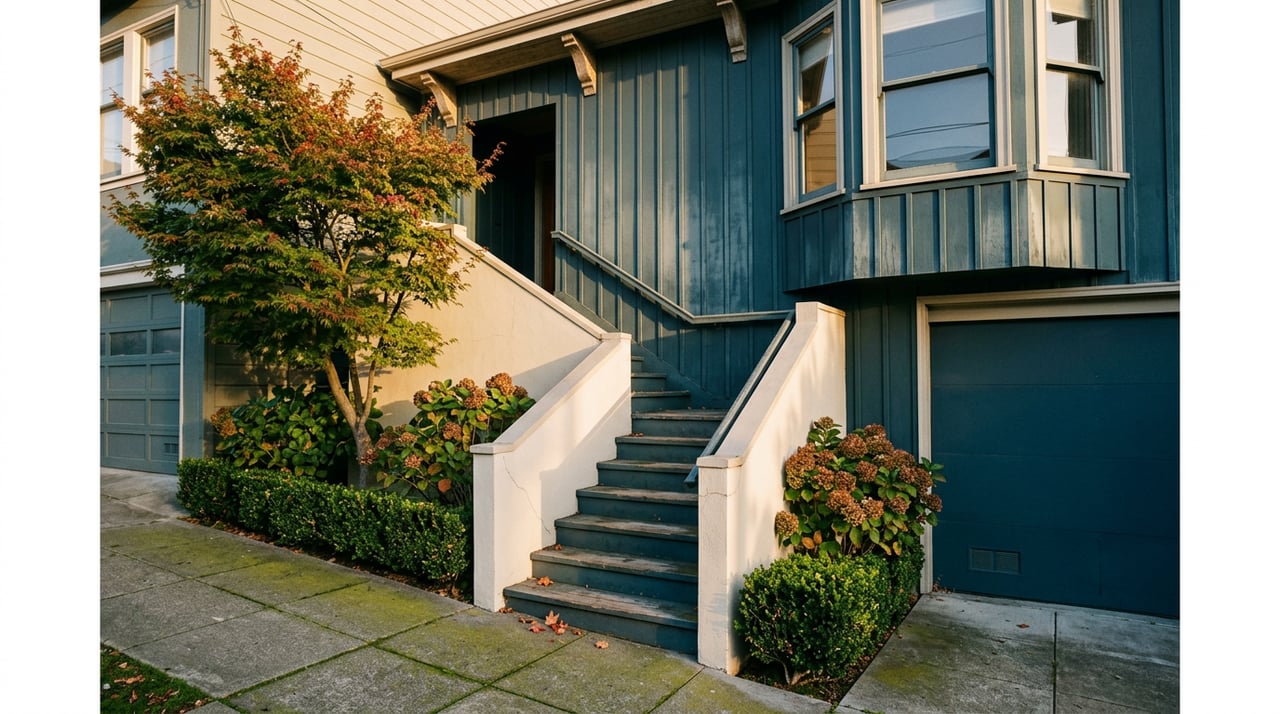
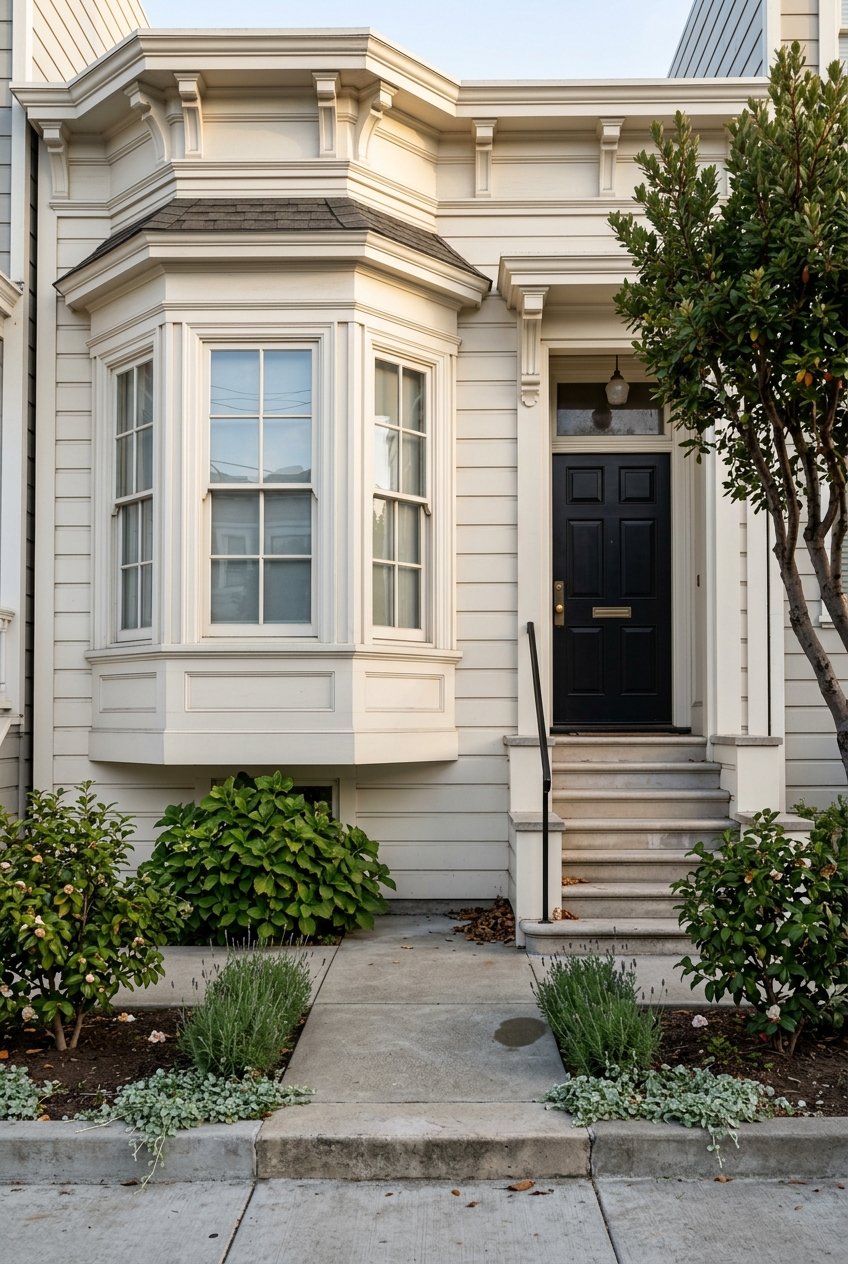
Planning documents describe Noe Valley as architecturally mixed but predominantly Edwardian and Victorian, with later Period Revival and Mid-Century infill. Buildings commonly appear as one- or two-unit homes, multi-family flats, or units above ground-floor commercial space, usually in two- to four-story forms.
Historic reviews also note rows of one- and two-story houses and flats, with hillside blocks that create stepping rooflines as streets climb. If you love classic San Francisco character, this is a major part of the appeal.
Layouts can be vertical and compact
There is also a practical side to this housing stock. Based on the planning and housing sources, Noe Valley often means older, vertically arranged homes rather than broad single-level layouts.
That can mean more stairs, compact lots, and floor plans that reflect the way San Francisco housing evolved over time. For some buyers, that is part of the charm. For others, it is an important tradeoff to think through early.
Who Noe Valley tends to fit best
Noe Valley often makes sense for buyers who value walkability, neighborhood services, parks, and a residential environment with a steady daily rhythm. It can also appeal to people who want classic San Francisco housing stock and are comfortable with the realities that come with older homes.
It may be a less natural fit if you are focused on high-rise inventory, want direct in-neighborhood BART access, or are looking for a neighborhood defined by late-night activity. That does not make it better or worse than other areas. It just means the fit depends on how you actually want to live.
Why this matters when you buy
Neighborhood fit is not just about price point or square footage. It is about whether the place supports your real routine after the excitement of closing wears off.
In Noe Valley, that routine often looks like a coffee stop, a park visit, local errands, a Saturday market, and a Muni-connected trip across the city. If that sounds like your speed, the neighborhood is worth a close look.
If you want help figuring out whether Noe Valley matches your day-to-day priorities, or you want to evaluate specific homes with a clear eye on layout, condition, and renovation potential, Kate Stoll can help you sort through the tradeoffs and make a smart plan.
FAQs
What does everyday life in Noe Valley feel like for residents?
- Everyday life in Noe Valley tends to feel routine-driven, walkable, and community-oriented, with many daily activities centered around 24th Street, local parks, Town Square, and neighborhood services.
What is the main commercial area in Noe Valley?
- The main commercial area in Noe Valley is the 24th Street Neighborhood Commercial District, which San Francisco Planning describes as a daytime-oriented corridor with retail, services, office uses, and residential uses.
What public spaces shape daily life in Noe Valley?
- Key public spaces in Noe Valley include Noe Valley Town Square, Upper Noe Recreation Center, and Douglass Playground, all of which support regular outdoor activity and neighborhood gathering.
What transit options serve Noe Valley in San Francisco?
- Noe Valley is served by Muni lines including J Church, 24 Divisadero, 35 Eureka, and 48 Quintara/24th Street, while the nearest BART stations are 24th St. Mission and Glen Park, both outside the neighborhood proper.
What kind of housing is common in Noe Valley?
- Noe Valley housing is commonly made up of single-family homes, 2 to 4 unit buildings, flats, and older small-scale residential properties, with many Edwardian and Victorian homes plus later infill.
Is Noe Valley a good fit for buyers who want walkability?
- Noe Valley can be a strong fit for buyers who value walkability, local services, park access, and a steady neighborhood rhythm more than late-night activity or high-rise living.