If you are thinking about buying in Haight-Ashbury, the first question is not just can you afford it. It is whether you want the tradeoffs that come with one of San Francisco’s most character-rich neighborhoods. If you love historic architecture, easy park access, and strong transit, this area can be a great fit. If you want a newer layout and a lighter maintenance load, it may feel more complicated. Let’s dive in.
What Makes Haight-Ashbury Distinct
Haight-Ashbury stands out because much of its residential architecture was built between 1890 and 1910. San Francisco Heritage describes the neighborhood as an almost entirely intact turn-of-the-century streetcar suburb, with Queen Anne Victorian homes shaping much of its identity.
That history is a big part of the appeal. You are not buying into a neighborhood defined by new construction or uniform buildings. You are buying into a place with visual character, established streetscapes, and homes that often feel unique from one block to the next.
That same charm comes with practical realities. Older homes and flats usually require more ongoing attention, including maintenance, repairs, and reserve planning, than newer construction.
Main Housing Types You’ll See
Victorian Single-Family Homes
When most buyers picture Haight-Ashbury, they picture Victorian houses. These homes are closely tied to the neighborhood’s growth period, which helps explain why the area feels so architecturally consistent.
The upside is obvious. You get charm, detail, and a strong sense of place that is hard to replicate elsewhere. The tradeoff is that older single-family homes can bring more upkeep, more systems to monitor, and more renovation decisions over time.
For some buyers, that is part of the fun. For others, it is a clear sign to budget more carefully and look closely at condition before writing an offer.
Flats and Multi-Unit Buildings
Haight-Ashbury also has many flats and multi-unit buildings tied to its early commercial-residential pattern. San Francisco Heritage notes that the area developed with storefronts and two- and three-story structures with flats above, especially as the corridor filled in after the 1906 earthquake and fire.
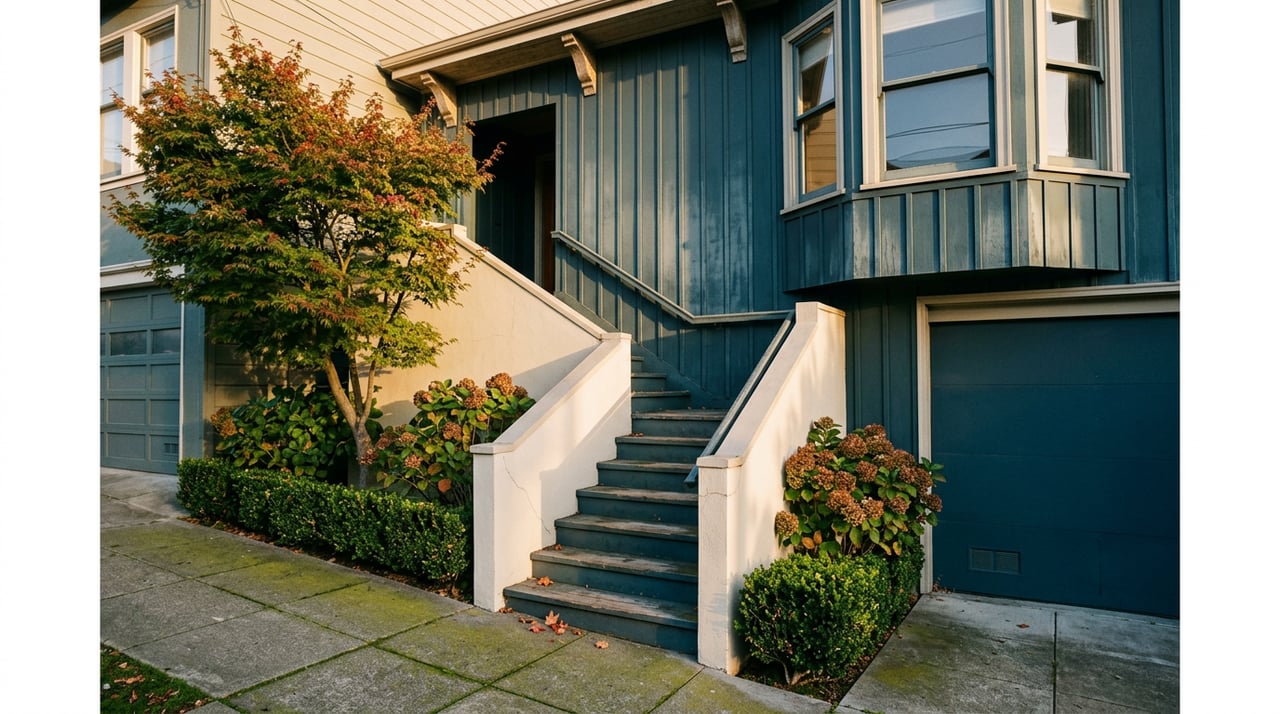
In practical terms, these homes often feel more vertical than modern construction. Planning materials describing nearby Edwardian-era flats point to features like stacked floors, bay windows, recessed entrances, and basement levels, which help explain why many of these properties are stair-centered and more compartmentalized.
If you are considering a flat or multifamily property, think about your daily routine. A layout full of stairs may feel charming to one buyer and exhausting to another.
Condo Units in Shared Buildings
Some buyers will find condo opportunities in shared buildings. These can be appealing if you want a lower-maintenance ownership structure than a single-family house, especially when common-area upkeep is handled through the homeowners association.
But lower-maintenance does not mean lower-cost by default. Your monthly payment may include principal and interest, taxes, insurance, HOA fees, and maintenance-related expenses, and mortgage insurance may also apply if your down payment is under 20%.
This is where the math matters. A condo can simplify some responsibilities, but the monthly budget may still be substantial once all recurring costs are included.
The Biggest Tradeoffs to Weigh
Character Versus Maintenance
This is the headline tradeoff in Haight-Ashbury. The neighborhood’s appeal is rooted in older housing stock, not newer-building convenience.
That means you should plan for more than the purchase price. A realistic ownership budget may include maintenance, repairs, utilities, insurance, HOA fees if applicable, and other recurring costs that can shift over time.
If you are excited by period details and the idea of improving a home over time, this can be a good match. If you want the most predictable upkeep possible, the neighborhood may feel less straightforward.
Layout Versus Modern Flow
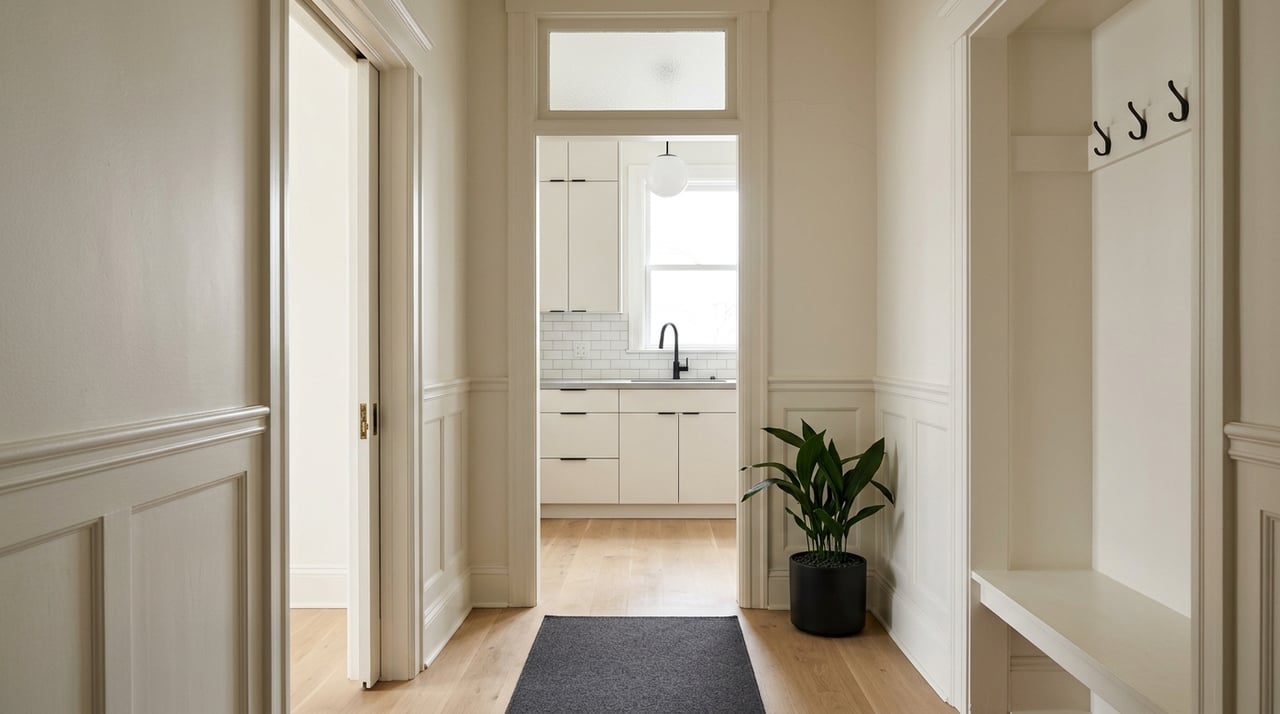
Many buyers love the details in older San Francisco homes but notice right away that the floor plans can feel different from newer construction. Rooms may be more defined, circulation may be more vertical, and stairs may play a bigger role in daily living.
That is not necessarily a downside. Some buyers prefer separate rooms, architectural detail, and layouts with more privacy. But if you are hoping for a broad open plan with minimal level changes, it is smart to calibrate expectations early.
Energy and Access Versus Quiet
Haight-Ashbury is a lively, street-oriented district with a well-known commercial corridor and a steady flow of visitors. Planning documents also highlight improvements tied to sidewalks, lighting, circulation, parking, and transit, which reinforces the neighborhood’s active public realm.
For buyers, that means location within the neighborhood matters. Homes closer to Haight Street and major transit stops may come with more street activity and noise, while interior blocks or park-edge locations may feel calmer.
This is where block-by-block guidance matters a lot. Two homes in the same neighborhood can offer very different day-to-day experiences.
Why Buyers Still Love Haight-Ashbury
Strong Transit Access
One of the neighborhood’s biggest advantages is transit coverage. SFMTA lists service from the F Market & Wharves, N Judah, N Judah Bus, 1 California, 5 Fulton, 5R Fulton Rapid, 6 Hayes/Parnassus, 7 Haight/Noriega, 24 Divisadero, 33 Ashbury/18th Street, 37 Corbett, 43 Masonic, and 66 Quintara.
The N Judah runs 24 hours daily, which is especially useful if you want flexibility without relying on a car. For many buyers, that broad transit access is a real quality-of-life benefit.
Easy Access to Parks
Outdoor access is another major plus. Golden Gate Park stretches from Haight-Ashbury to Ocean Beach and spans 1,017 acres, with gardens, lakes, meadows, and a wide range of destinations.
Buena Vista Park adds another layer of appeal. It is the oldest park in San Francisco and includes winding trails, views, an off-leash dog area, a playground, and tennis.
If your ideal neighborhood includes green space close to home, Haight-Ashbury checks that box in a big way.
How to Decide Which Home Type Fits You
Choosing the right property here usually comes down to how you live, not just what looks best in listing photos.
Ask yourself:
- Do you want historic detail enough to accept more upkeep?
- Are you comfortable with stairs and more segmented floor plans?
- Would an HOA structure help you, or would the monthly fee feel limiting?
- How close do you want to be to Haight Street activity and transit?
- Do you want a home that is move-in ready, or do you see value in renovation potential?
This last point matters in Haight-Ashbury. Some buyers are best served by a home with fewer projects. Others see opportunity in a property where thoughtful updates can improve livability over time.
Buying Smart in an Older Neighborhood
In Haight-Ashbury, a smart purchase usually means looking beyond surface charm. A beautiful facade and original details are great, but you also want a clear understanding of condition, monthly carrying costs, and what improvements may be realistic after closing.
That is especially true if you are comparing homes across different ownership structures. A single-family Victorian, a flat in a multi-unit building, and a condo can each offer a very different mix of privacy, cost, maintenance, and future project needs.
This is where a direct, practical buying process helps. You want clear next steps, strong inspection guidance, realistic budgeting, and if needed, help thinking through renovation scope before you commit.
Haight-Ashbury can be an excellent fit if you value architecture, transit, and parks and you understand the compromises that come with older housing. It is usually a weaker fit if your top priorities are a newer floor plan and the lowest possible maintenance burden.
If you want candid guidance on how a specific Haight-Ashbury property fits your budget, lifestyle, and renovation tolerance, Kate Stoll can help you evaluate the tradeoffs and build a smart plan.
FAQs
What kinds of homes are most common in Haight-Ashbury?
- Buyers will commonly see Victorian single-family homes, older flats in multi-unit buildings, and some condo units in shared buildings.
What should buyers expect from Haight-Ashbury home maintenance?
- Because much of the housing stock dates from about 1890 to 1910, buyers should expect more ongoing maintenance, repairs, and reserve planning than they might in newer construction.
What are the layout tradeoffs in Haight-Ashbury homes?
- Many older homes and flats have more vertical, stair-centered, and compartmentalized layouts rather than wide open modern floor plans.
Is Haight-Ashbury a good neighborhood if you do not want a car?
- It can be, since the neighborhood has strong transit coverage and direct access to major park space.
Are condos in Haight-Ashbury easier to own than houses?
- They can shift some maintenance responsibilities into HOA-managed common areas, but HOA fees become part of your monthly housing cost.
Is Haight-Ashbury noisy for homebuyers?
- Some parts can be livelier, especially near Haight Street and major transit corridors, while interior or park-edge streets may feel calmer.