Buying your first home in San Francisco can feel like learning a new language, and the Sunset District adds its own twist. One block may put you near Golden Gate Park and busy neighborhood corridors, while another feels quiet, coastal, and removed from the city rush. If you want a smart, grounded way to approach your first purchase here, this guide will help you understand how the Sunset works, what to budget for, and where to focus your due diligence. Let’s dive in.
Why the Sunset stands out
The Sunset is San Francisco’s largest neighborhood at about 4.5 square miles, and it includes smaller areas such as the Inner Sunset, Outer Sunset, Parkside, Oceanside, Golden Gate Heights, Parkway Terrace, and parts of West Portal. According to San Francisco’s historic context statement, the survey area includes more than 25,000 buildings and is about 96% single-family. That shape matters because your search here will often look very different from a condo-heavy downtown search.
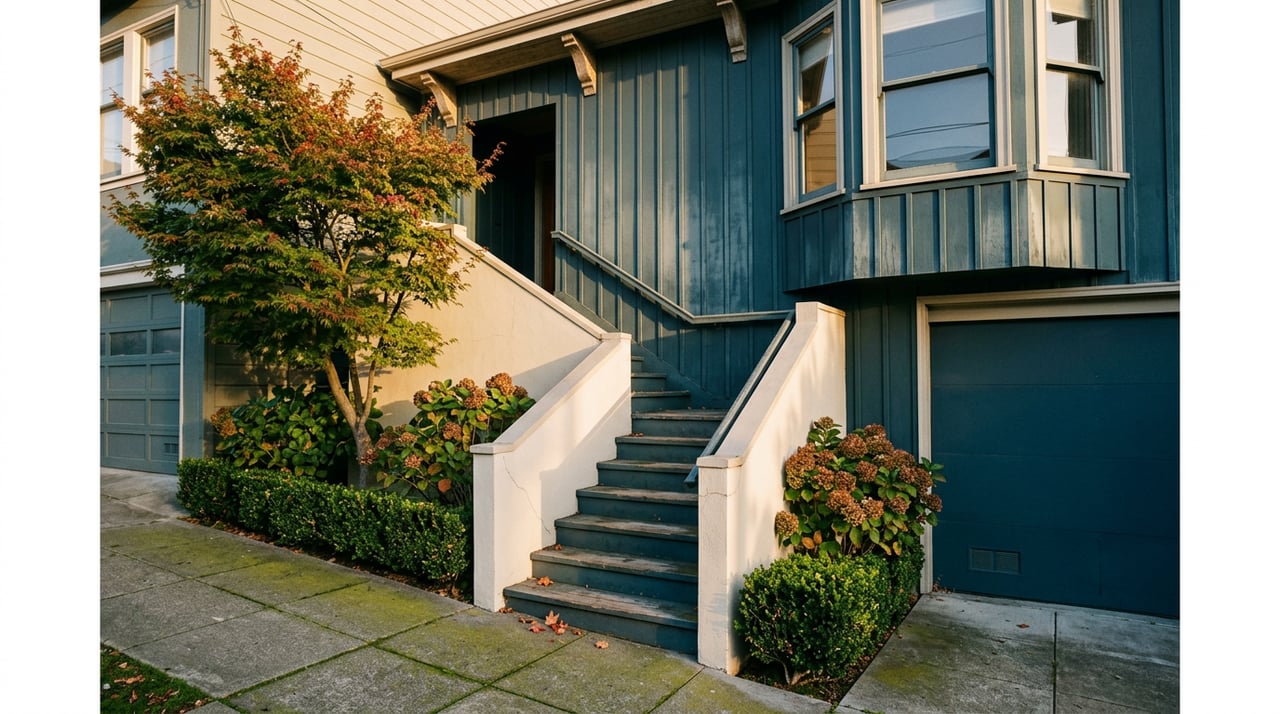
Most Sunset housing was built between 1925 and 1950. The dominant form was the classic stucco-clad single-family house with an integrated garage on a 25-foot lot. For you as a first-time buyer, that usually means older homes, compact layouts, and more attention to condition and past updates than you might expect in a newer-build neighborhood.
How Inner and Outer Sunset differ
The Inner Sunset and Outer Sunset can feel like two different day-to-day lifestyles. SF.gov describes the Inner Sunset as a vibrant neighborhood next to Golden Gate Park, with the 9th Avenue and Irving Street area serving as a busy local hub. If you want easy access to shops, dining, and the park, that setting may feel especially practical.
The Outer Sunset has a quieter, more coastal identity. SF.gov highlights its windswept beaches and calmer feel, which can appeal if you want more separation from busier commercial pockets. Neither is better across the board. It depends on how you want your daily routine to work.
Transit is another important difference. SFMTA shows that both areas are served by the N Judah and L Taraval, along with multiple bus lines. If you want a car-light lifestyle, looking closer to those lines can make a real difference in your commute and weekly errands.
What first-time buyers usually buy here
In the Sunset, many first-time buyers start by comparing single-family homes against condos in older low-rise buildings. Because the area is not dominated by towers, condo options often sit within an older streetscape rather than in a high-rise setting. That changes the feel of the search and often the maintenance questions you need to ask.
Single-family homes may offer more privacy, a garage, or more flexible long-term renovation potential. Condos may offer a lower price point than a detached house in the same general area, but you need to account for HOA dues and review the building’s condition and records carefully. The right choice comes down to your budget, your appetite for upkeep, and how much space and control you want.
Budget beyond the list price
This is where many first-time buyers get surprised. The list price is only one part of the financial picture, especially in San Francisco. You need to build a budget that covers the full cost of getting in and living there comfortably.
The CFPB says closing costs, excluding the down payment, typically run about 2% to 5% of the purchase price. You should also set aside funds for immediate repairs, furnishings, and move-in expenses. In an older housing area like the Sunset, that reserve matters.
Your monthly cost also needs to be broader than the lender’s quoted principal and interest. A realistic payment may include:
- Principal and interest
- Property taxes
- Homeowners insurance
- Mortgage insurance, if your conventional loan has less than 20% down
- HOA dues, if you buy a condo or a home in an organized community
For condos, HOA dues are usually separate from the mortgage and can range from a few hundred dollars a month to more than $1,000. That can materially change what feels affordable month to month.
Understand San Francisco tax costs
San Francisco has local costs that deserve your attention before you make an offer. The Treasurer & Tax Collector lists the secured property tax rate for fiscal year 2025-26 at 1.18268325%. The Assessor-Recorder also states that property is reassessed to current market value when ownership changes or when new construction is completed.
The city further explains that change-in-ownership or new-construction events can trigger supplemental assessments. In plain English, that means your tax picture may change after closing instead of showing up only in a standard annual bill. You should also plan for transfer tax and recording-related costs as part of your closing budget.
Get preapproved early, but stay sharp
A preapproval letter is not just a box to check. The CFPB notes that sellers often require one before they will accept an offer. That makes preapproval a practical first move if you are serious about buying in the Sunset.
That said, a preapproval is based on assumptions and is not a guaranteed loan. It also typically expires in 30 to 60 days. A smart approach is to get preapproved early enough to spot any issues, while still comparing official Loan Estimates from multiple lenders before you lock in your final financing.
Focus on condition, not just finishes
In the Sunset, pretty photos do not tell the whole story. Because so much of the housing stock dates from 1925 to 1950, your due diligence should go beyond cosmetic updates. You want to understand the condition of the home’s shell and whether past work was done well and properly documented.
Common practical questions include:
- How old is the roof?
- What is the condition of the exterior?
- How does drainage work around the property?
- Have windows and utilities been updated?
- Were prior remodels permitted and completed properly?
These are not Sunset-specific defect rules. They are sensible questions based on the district’s older housing stock and renovation history.
Pay extra attention near the coast
The western Sunset has a distinct land and weather context. San Francisco Planning notes that much of the western Sunset was once sand dunes and remained largely undeveloped into the 1940s. SF.gov also describes the Outer Sunset as beach-adjacent and windswept.
That does not mean every property has issues. It does mean you should pay close attention to moisture management, grading, and exterior maintenance when evaluating homes near the coast. For a first-time buyer, that kind of practical context can help you ask better questions during tours and inspections.
Use inspections strategically
An independent inspection is one of your best tools. The CFPB recommends choosing an inspector who is accountable to you, the buyer. If your contract includes an inspection contingency, you may be able to cancel without penalty if the results are not acceptable.
In a competitive Sunset search, inspections become even more important because older homes can carry more unknowns. Pre-inspections can also be useful on older single-family homes and condos when you need to reduce uncertainty before an offer deadline. If issues do come up, seller credits may sometimes be negotiated instead of requiring the seller to complete repairs before closing.
Before you sign, the CFPB also recommends a final walk-through. That is your chance to confirm agreed repairs were completed and that any included items are still in place.
Check records before you commit
In San Francisco, the 3R report is especially useful for residential buyers. The city states that owners and realtors can order a Report of Residential Building Record, which provides authorized-use and building-permit history for a residential building. The city also states that this report is legally required in residential sales.
That said, treat the 3R report as a starting point, not the whole story. San Francisco also allows public building-record requests for broader permit history, including building, electrical, plumbing, and mechanical records. If you are buying an older or remodeled Sunset home, this step can help you better understand what was officially documented.
Compare blocks by daily routine
The most useful way to compare the Sunset is not by broad generalizations. It is by asking how each block supports your real life. In this neighborhood, small location shifts can change how your week feels.
Useful questions include:
- Do you want to be closer to Golden Gate Park or closer to the beach?
- Do you prefer a quieter residential block or a home near a commercial corridor?
- How far is the nearest transit stop?
- Where will you go for groceries, coffee, and casual dining?
- Do you want easy access to Irving, Judah, Lawton, Noriega, Taraval, or Sloat corridors?
The city highlights the Inner Sunset’s 9th Avenue and Irving Street corridor, while city neighborhood guides also point to merchant corridors on Irving, Judah, Lawton, Noriega, Taraval, and Sloat. Those practical differences often matter more than broad neighborhood labels.
Renovation potential can change the math
One of the biggest opportunities in the Sunset is buying with a clear eye toward potential. Because much of the housing stock is older, some homes may benefit from light improvements, while others may be candidates for more substantial renovation. For a first-time buyer, that can be a smart path if you want to create value over time rather than compete only for the most polished listing.
The key is to stay realistic. Renovation potential is only helpful when you understand scope, cost, timeline, and whether the finished result aligns with your budget and goals. Having trusted professionals weigh in early can help you avoid taking on a project that looks exciting on paper but stressful in real life.
A smart first-time plan for the Sunset
If you want to buy in the Sunset with confidence, keep your process simple and disciplined. Start with your monthly comfort zone, not just your maximum approval amount. Then narrow your search based on lifestyle, transit, and the kind of upkeep you are prepared to handle.
From there, focus on homes where the records, condition, and long-term fit make sense together. In the Sunset, a good deal is not just about price. It is about buying the right block, the right house type, and the right level of project for your life.
If you want direct advice on where to focus, how to evaluate condition, or whether a home’s renovation potential is worth pursuing, Kate Stoll can help you build a clear plan and move forward with confidence.
FAQs
What should first-time buyers budget for in the Sunset District?
- You should budget for more than the down payment, including closing costs that the CFPB says typically run 2% to 5% of the purchase price, plus property taxes, insurance, possible mortgage insurance, HOA dues if applicable, and a reserve for repairs and move-in expenses.
What makes the Sunset District different from other San Francisco neighborhoods for buyers?
- The Sunset is San Francisco’s largest neighborhood, is largely single-family in character, and includes many homes built between 1925 and 1950, so buyers often need to pay close attention to condition, permit history, and block-by-block lifestyle differences.
What is the difference between Inner Sunset and Outer Sunset for homebuyers?
- Inner Sunset is generally described by the city as more vibrant and park-adjacent, especially around 9th Avenue and Irving Street, while Outer Sunset is known for a quieter, more coastal feel near the beach.
Why is a 3R report important when buying a Sunset home?
- The city says the 3R report provides authorized-use and building-permit history for a residential property and is legally required in residential sales, which makes it an important starting point when evaluating older or remodeled homes.
What should buyers inspect closely in older Sunset homes?
- Buyers should look closely at practical condition items such as roof age, exterior wear, drainage, windows, utilities, and whether prior remodeling work appears to have been properly documented.
How important is transit when choosing a block in the Sunset District?
- Transit can be a major quality-of-life factor because SFMTA shows service from the N Judah, L Taraval, and multiple bus lines, so blocks closer to those routes may be more convenient if you want a car-light routine.