If you want a San Francisco neighborhood that feels small without feeling cut off, Cole Valley deserves a close look. It has a compact main street, easy access to parks, and transit options that make daily life simpler. Whether you are thinking about buying, selling, or just narrowing your search, this guide will help you understand what makes Cole Valley distinct. Let’s dive in.
Why Cole Valley feels different
Cole Valley stands out because it feels village-like in the middle of the city. SF.gov places it at the southeastern end of Golden Gate Park and describes it as a quiet slice of San Francisco with shady streets, well-maintained homes, and a business center at Cole and Carl.
That small scale is a real part of the neighborhood’s identity. SF Planning describes the neighborhood commercial district as a compact stretch centered on Cole Street from Frederick to Grattan, with a few parcels just beyond that core. The city has also described an entertainment zone on Cole Street between Carl and Parnassus that runs only about three blocks.
For you, that means Cole Valley is easier to read than many San Francisco neighborhoods. You are not dealing with a long, busy commercial corridor or a neighborhood that changes character every few blocks. It feels tighter, calmer, and more residential.
Cole Street is the neighborhood hub
Cole Street is where day-to-day life happens. The city’s neighborhood guide highlights businesses like Wooden Coffee House, Cole Hardware, Zazie, Say Cheese, Luke’s Local, SF Wheels, InoVino, Finnegan’s Wake, Cole Valley Tavern, and The Ice Cream Bar.
That mix tells you a lot about the area. This is not a major nightlife district or a destination shopping zone. It is more of an everyday commercial strip built around coffee, brunch, groceries, hardware, and casual dining.
That matters if you value convenience over noise. You can picture errands, a coffee stop, or an easy dinner without needing to leave the neighborhood. It is the kind of setup that supports a steady daily routine.
Parks and open space are a major draw
One of Cole Valley’s biggest strengths is how close it is to open space. SF.gov explicitly places it at the southeastern end of Golden Gate Park, which gives the neighborhood a level of park access that is hard to ignore in central San Francisco.
You also have Buena Vista Park nearby. San Francisco Recreation and Parks describes it as the city’s oldest park, with winding trails, one of the city’s few remaining coast live oak groves, an off-leash dog play area, a playground, and tennis courts.
Tank Hill adds another nearby outdoor option. Rec & Park lists it as a natural area at Clarendon and Twin Peaks, with park hours from 5 a.m. to midnight. Taken together, Golden Gate Park, Buena Vista Park, and Tank Hill help explain why Cole Valley feels more outdoors-oriented than many central neighborhoods.
Transit is better than the small scale suggests
Cole Valley may feel tucked away, but it is well connected. The N Judah stops at Carl and Cole, while the 6 Hayes/Parnassus serves Parnassus/Cole and Clayton/Carl. The 37 Corbett stops at Cole/Carl and Cole/Parnassus, and the 43 Masonic stops at Cole/Carl and Parnassus/Cole.
The 6 Hayes/Parnassus route is especially useful because it runs between the Inner Sunset and Civic Center. That gives the neighborhood direct bus access to both the west side and downtown.
The practical takeaway is simple. Cole Valley is walkable enough to feel intimate, but connected enough to work well for commuters. For buyers, that balance can be a big part of the appeal.
What the housing stock looks like
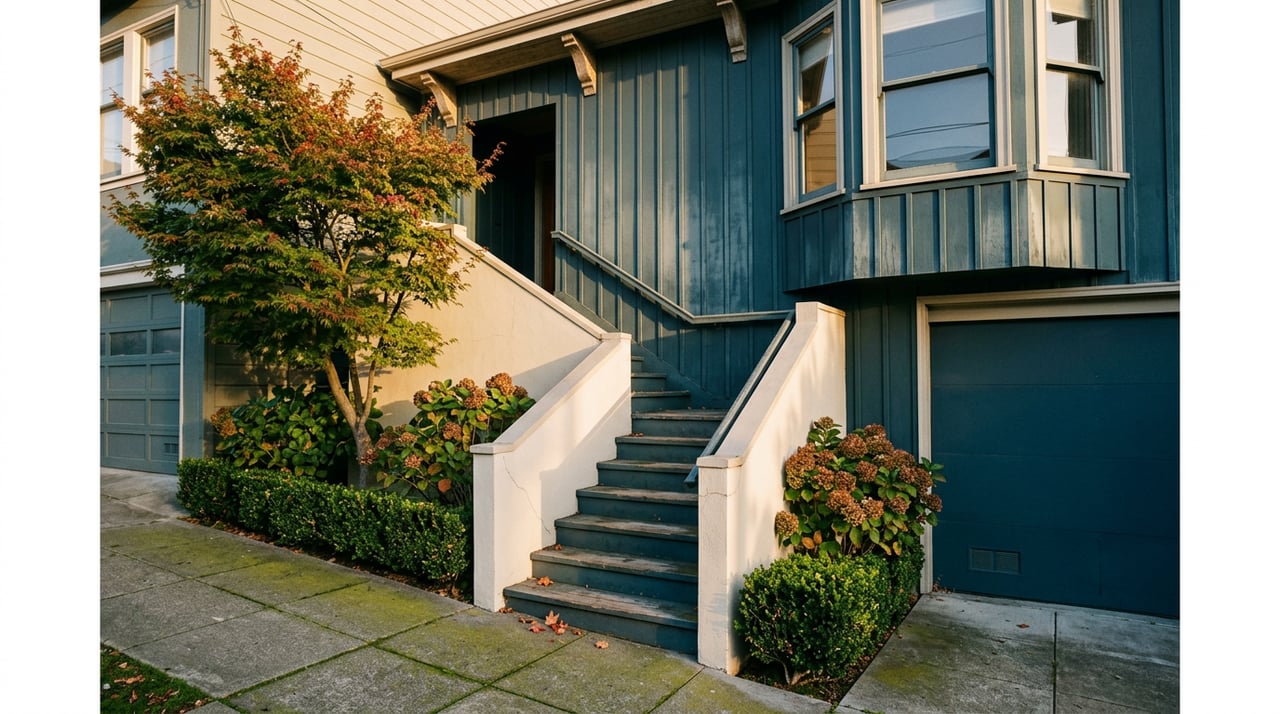
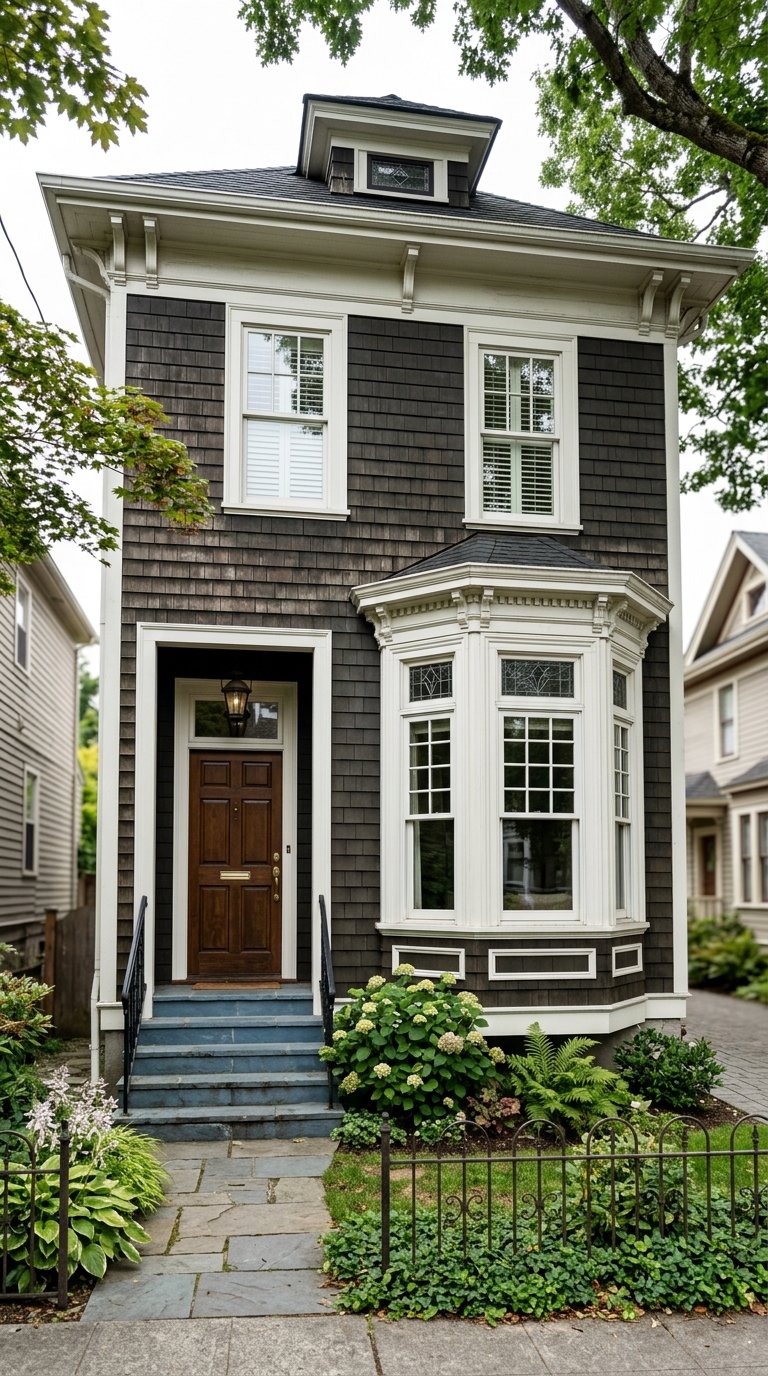
Cole Valley’s housing mix is low-rise and varied. One SF Planning case describes the immediate area as ranging from single-family dwellings to 28-unit apartment buildings, with building heights from three to five stories and higher-density buildings most common at corners.
In plain English, you are generally looking at a neighborhood that reads as homes, flats, and smaller apartment-scale buildings rather than large towers. That gives the area a more residential feel, even though it sits in a very central part of San Francisco.
For buyers, this often means the housing search can include different formats within a small footprint. Depending on your goals, you may be looking at a classic house, a flat, or a unit in a smaller building. For sellers, that mix means presentation and positioning matter because buyers may be comparing very different property types nearby.
Cole Valley compared with nearby neighborhoods
Cole Valley vs. Haight-Ashbury
Haight-Ashbury is the better-known neighbor, and it has a broader public identity. SF.gov describes it as rich in history and bohemian in spirit, and SFMTA shows a much wider set of transit routes serving that area.
Compared with Haight-Ashbury, Cole Valley feels more tucked away and more residential. If you want a neighborhood with a quieter daily rhythm and a smaller commercial core, Cole Valley often reads as the calmer option.
Cole Valley vs. Noe Valley
Noe Valley’s 24th Street corridor is larger and more retail-forward. SF Planning describes the 24th Street Noe Valley Neighborhood Commercial District as a daytime-oriented, multi-purpose corridor serving a predominantly local market area, and SFMTA shows a broad transit network there as well.
Compared with Noe Valley, Cole Valley is shorter, quieter, and easier to describe as a micro-neighborhood. If you like the idea of a neighborhood center but do not need a long shopping street, Cole Valley may feel more manageable.
Who Cole Valley tends to suit
Cole Valley can work well for a few different kinds of buyers and sellers.
- Buyers who want a neighborhood feel without giving up central-city access
- People who value parks and outdoor space as part of daily life
- Commuters who want transit options close to home
- Sellers with distinctive properties that benefit from thoughtful positioning and polished presentation
It can also appeal if you are deciding between more commercially active neighborhoods and quieter residential pockets. Cole Valley sits in that middle ground nicely.
What to keep in mind as a buyer
If you are considering Cole Valley, it helps to be clear on your priorities early. The neighborhood’s appeal often comes from the combination of scale, location, and livability, not from big headline amenities.
A few practical questions can help guide your search:
- Do you want to be close to the Cole Street core?
- How important is quick access to Golden Gate Park or Buena Vista Park?
- Are you looking for a house, a flat, or a smaller condo building?
- How much does transit access shape your day-to-day routine?
In San Francisco, small differences in block, building type, and layout can have a big impact on how a home lives. That is especially true in a compact neighborhood like Cole Valley.
What to keep in mind as a seller
If you are selling in Cole Valley, buyers are often responding to a lifestyle picture as much as the property itself. The neighborhood’s value story is tied to its compact commercial strip, nearby parks, central location, and low-rise residential feel.
That means your launch strategy should be specific and well organized. Clear positioning, strong staging, and premium photo and video assets can help buyers understand both the home and the neighborhood context quickly.
If your property has renovation potential, that should also be handled carefully. In many San Francisco neighborhoods, buyers respond well when they can clearly understand what is possible, what it might take, and how improvements could unlock value. This is where direct advice and the right contractor input can make a real difference.
The bottom line on Cole Valley
Cole Valley is one of those neighborhoods that makes sense the minute you walk it. It is central, but not hectic. It has a real commercial core, but it stays small. And it offers unusual access to parks and open space for such a connected part of San Francisco.
If you are looking for a neighborhood that feels intimate, practical, and distinctly local, Cole Valley is worth serious consideration. And if you are trying to decide how a specific property fits into that picture, a clear strategy matters.
If you want direct, local guidance on buying or selling in San Francisco, Kate Stoll can help you evaluate the neighborhood, the property, and the best next steps with a calm, honest approach.
FAQs
What is Cole Valley like in San Francisco?
- Cole Valley is a small, centrally located San Francisco neighborhood with a compact Cole Street business district, nearby parks, and a low-rise residential feel.
How walkable is Cole Valley for daily errands?
- Cole Valley is walkable enough to feel village-like, with a short commercial strip centered on everyday needs like coffee, dining, groceries, and hardware.
What parks are near Cole Valley?
- Cole Valley is at the southeastern end of Golden Gate Park and near Buena Vista Park and Tank Hill.
What transit options serve Cole Valley?
- Cole Valley is served by the N Judah, 6 Hayes/Parnassus, 37 Corbett, and 43 Masonic, with stops around Carl, Cole, and Parnassus.
What types of homes are common in Cole Valley?
- The area includes a low-rise mix that ranges from single-family dwellings to smaller apartment-scale buildings, generally three to five stories tall.
How does Cole Valley compare with Noe Valley and Haight-Ashbury?
- Cole Valley is generally smaller and quieter than both, with a shorter commercial core than Noe Valley and a more residential feel than Haight-Ashbury.