If you are thinking about Pacific Heights, you are probably picturing the views first. That part is real, but daily life here is not just postcard scenery. It is hills, stairways, park loops, Fillmore errands, and a housing mix that feels distinctly San Francisco. This guide will help you understand what everyday living in Pacific Heights actually looks like, so you can decide whether the neighborhood fits how you want to live. Let’s dive in.
Pacific Heights at a Glance
Pacific Heights is a north-slope residential neighborhood shaped by elevation. According to San Francisco Planning, building heights rise toward the ridge, and many streets open to Bay views as you look downhill. That topography gives the area its signature feel, but it also means hills are part of your routine.
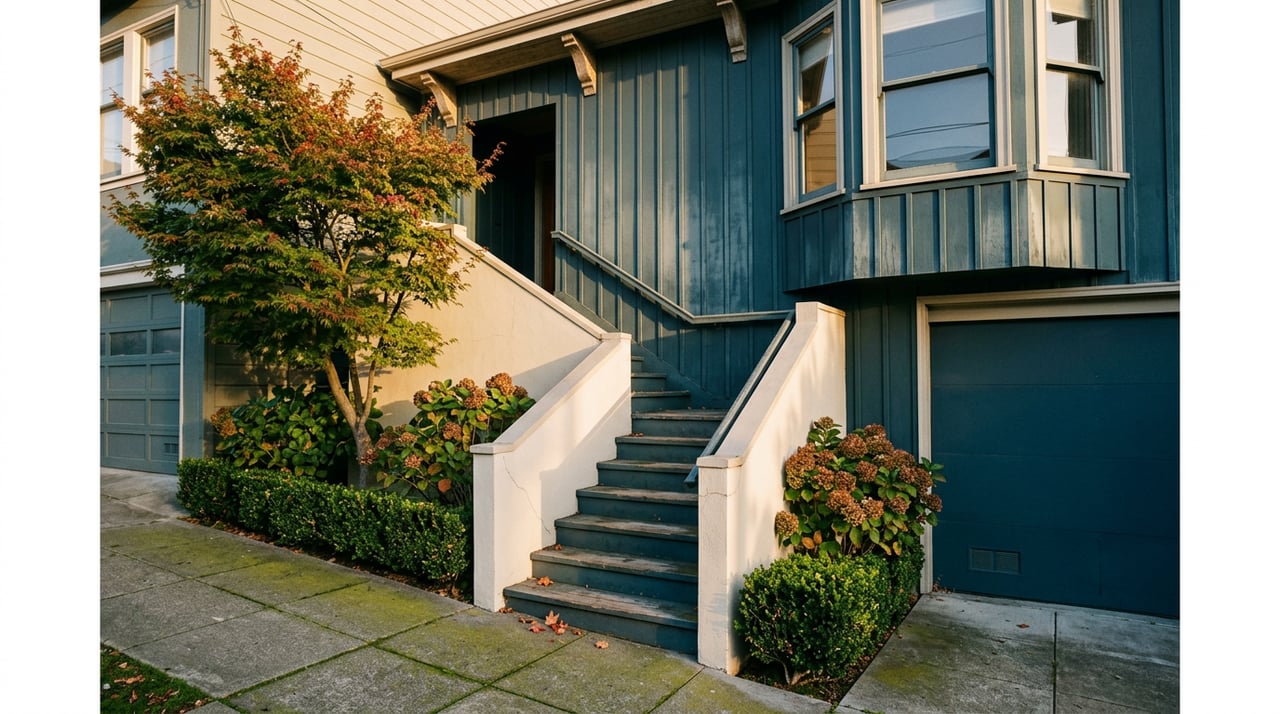
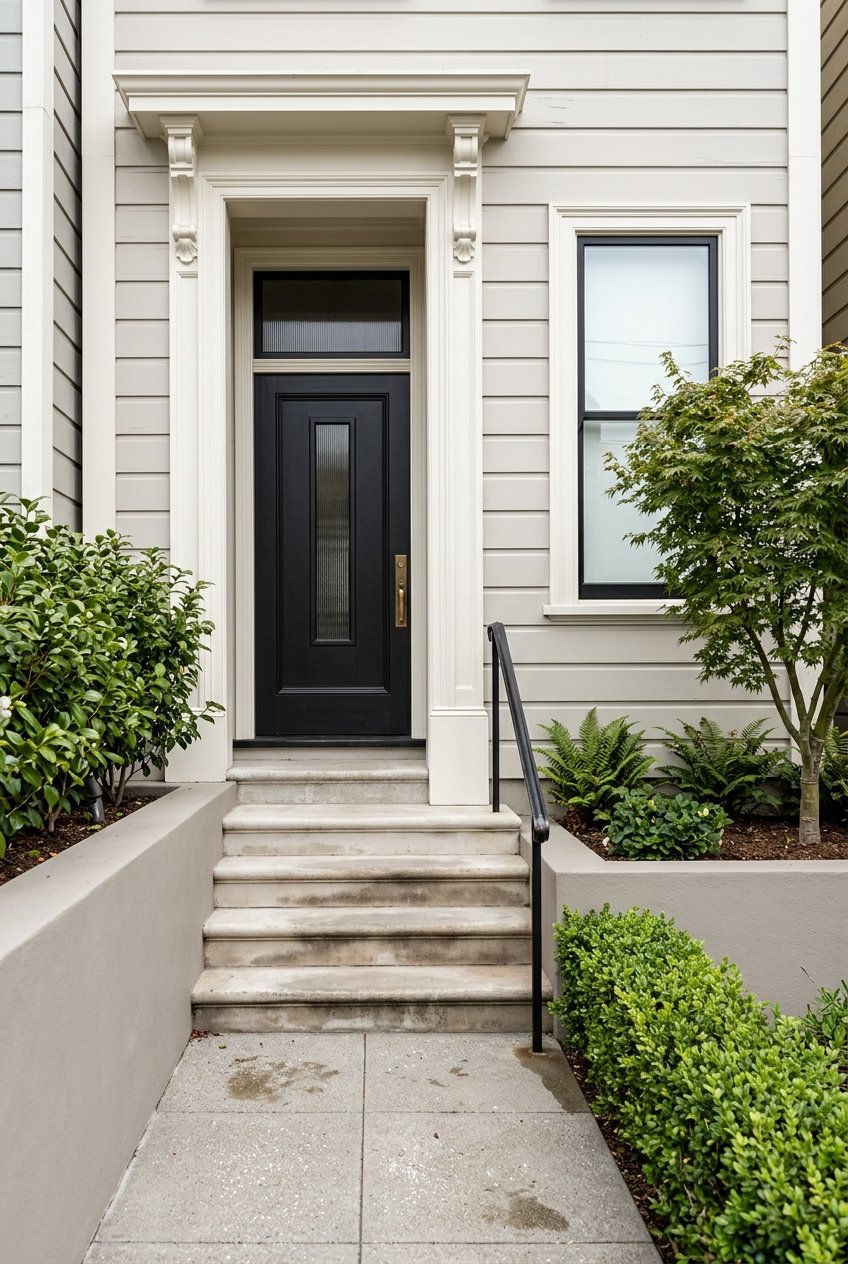
You will also notice strong architectural texture. San Francisco Planning highlights detached houses, Victorian-era residences, and lighter apartment towers, while local preservation materials show that grand single-family homes later came to exist alongside multi-family buildings and apartments. In plain terms, Pacific Heights is not one-note.
Views Are Part of Daily Life
In some neighborhoods, views are a bonus. In Pacific Heights, they are often built into the street experience. Looking down certain blocks, you get open Bay outlooks that make even a short walk feel memorable.
That does not mean the neighborhood is all ease and flat walking. The same elevation that creates those views also brings stairways, grade changes, and a more vertical daily rhythm. If you love scenery and do not mind a workout built into your errands, that tradeoff may feel well worth it.
Parks That Anchor the Routine
Pacific Heights has two major outdoor anchors that shape how people spend their time close to home: Alta Plaza Park and Lafayette Park. Both give you room to reset without leaving the neighborhood.
Alta Plaza Park for views and activity
Alta Plaza Park covers nearly 12 acres and sits on a hill with panoramic city and Bay views, including views toward the Golden Gate Bridge. It includes a broad staircase, playground, picnic areas, tennis, basketball and pickleball, off-leash dog space, and limited wheelchair access.
For daily life, that means one park can serve a lot of purposes. You can take the dog out, meet friends, bring kids to the playground, or squeeze in a quick outdoor break between other plans.
Lafayette Park for easy open space
Lafayette Park spans 11.5 acres and is bounded by Laguna, Sacramento, Gough, and Washington. It offers grassy lawns, city-and-Bay views, tennis courts, a playground, picnic areas, and an off-leash dog area.
If you want a practical takeaway, it is this: Pacific Heights gives you real neighborhood park options, not just small patches of green. That matters when you are thinking about your actual week, not just a Saturday stroll.
Fillmore Street Drives the Day-to-Day
For shopping, dining, and regular errands, Fillmore Street is the center of gravity. The corridor is known for boutiques, services, and eateries, and it sits between Japantown and Pacific Heights.
That setup supports a local routine. Depending on where you live in the neighborhood, you may be able to handle coffee, dinner, small errands, and service stops without needing to head downtown.
Union Street adds more options nearby
Union Street is another major merchant corridor nearby, with specialty shops, services, eateries, and historic Victorian storefronts. It expands your practical options without changing the overall feel of a northside lifestyle.
This is one of Pacific Heights’ strengths. The neighborhood can feel residential and scenic, while still keeping useful daily conveniences relatively close.
What Housing Feels Like Here
Pacific Heights is often associated with large, stately homes, and that image comes from something real. The neighborhood is known for grand mansions and historic residential architecture, and the Haas-Lilienthal House, an 1886 Queen Anne-style Victorian house museum, reflects that legacy.
But that is only part of the story. Local preservation and planning sources show a broader housing mix that includes single-family homes, multi-family dwellings, apartment buildings, and lighter apartment towers.
A layered housing stock
If you are home shopping here, it helps to think in layers rather than stereotypes. You may find classic Victorian character, detached homes, multi-unit buildings, or apartment-style living, sometimes within a relatively short distance.
That variety can be a real advantage. It gives buyers and sellers more than one way to participate in the neighborhood, whether you are looking for architectural charm, a condo alternative, or a multi-unit property with flexibility.
Why condition and potential matter
In a neighborhood with historic character and a mix of housing types, condition can vary meaningfully from one property to the next. Some homes feel turnkey, while others may offer value through updates or more substantial renovation work.
That is where clear planning matters. If you are evaluating a Pacific Heights property, it helps to look beyond surface appeal and understand what changes are possible, what they may cost, and how they fit your goals.
Getting Around Pacific Heights
Pacific Heights is well connected, especially if you do not rely on a car for every trip. SFMTA lists the neighborhood as served by the California Cable Car and several Muni routes, including the 1 California, 22 Fillmore, 24 Divisadero, 43 Masonic, and 47 Van Ness.
That gives you options for moving through San Francisco without driving everywhere. For many residents, transit access supports a more flexible routine, especially for workdays, appointments, or meeting friends in other parts of the city.
Parking takes planning
If you do drive, it is smart to set expectations early. Local directions for the Haas-Lilienthal House note several paid garages and lots within a few blocks, plus metered street parking.
The practical read is simple: driving is possible, but easy curbside parking should not be assumed. In Pacific Heights, parking is usually something you plan for, not something you count on casually.
What a Typical Day Can Look Like
One of the best ways to judge a neighborhood is to picture a normal day. In Pacific Heights, that day often starts with a walk on a hill, not a flat grid. You may head to a park, stop along Fillmore, and build errands around the neighborhood rather than around a downtown trip.
That rhythm appeals to people who want beauty woven into ordinary life. It also works well for buyers who value a walkable northside routine, accessible green space, and housing with architectural presence.
Who Pacific Heights Often Fits Best
Pacific Heights can be a strong fit if you want a neighborhood that feels residential but still connected to shopping, dining, parks, and transit. It may also appeal to you if San Francisco architecture matters to you, and you are open to the realities that come with older homes and hilly streets.
For buyers, the key is matching the neighborhood to your real routine. For sellers, it helps to understand which daily-life features buyers respond to most, from views and park access to Fillmore proximity and architectural character.
How to Evaluate a Move Here
If you are considering Pacific Heights, focus on the details that shape your everyday experience:
- How comfortable are you with hills and stairs?
- Do you want quick access to parks for dogs, kids, or outdoor breaks?
- How much do you value being near Fillmore Street and nearby merchant corridors?
- Are you drawn to historic character, or do you prefer lower-maintenance living?
- Will you rely on transit, drive regularly, or need a mix of both?
Those questions usually tell you more than a simple list of amenities. In Pacific Heights, lifestyle fit comes down to how you move through the neighborhood day after day.
If you want help thinking through Pacific Heights from a buyer or seller perspective, that is where local context really matters. From evaluating housing stock and renovation potential to building a smart listing plan around what buyers notice here, Kate Stoll brings a direct, practical San Francisco perspective. Schedule a consultation.
FAQs
What is daily life like in Pacific Heights, San Francisco?
- Daily life in Pacific Heights often centers on hilly walks, neighborhood parks, Fillmore Street errands, and Bay views that are part of the regular street experience.
What parks serve Pacific Heights residents?
- Alta Plaza Park and Lafayette Park are the neighborhood’s main outdoor anchors, offering open space, views, playgrounds, tennis, picnic areas, and off-leash dog areas.
What shopping street is most important in Pacific Heights?
- Fillmore Street is the primary shopping and dining corridor in Pacific Heights, with boutiques, services, and eateries that support many everyday errands close to home.
What types of homes are found in Pacific Heights?
- Pacific Heights includes a mix of detached houses, Victorian-era residences, apartment buildings, multi-family dwellings, and lighter apartment towers rather than one single housing type.
How do you get around Pacific Heights without a car?
- Pacific Heights is served by the California Cable Car and multiple Muni lines, including 1 California, 22 Fillmore, 24 Divisadero, 43 Masonic, and 47 Van Ness.
Is parking easy in Pacific Heights, San Francisco?
- Parking usually requires planning, with metered street parking and some paid garages or lots nearby rather than guaranteed easy curbside availability.