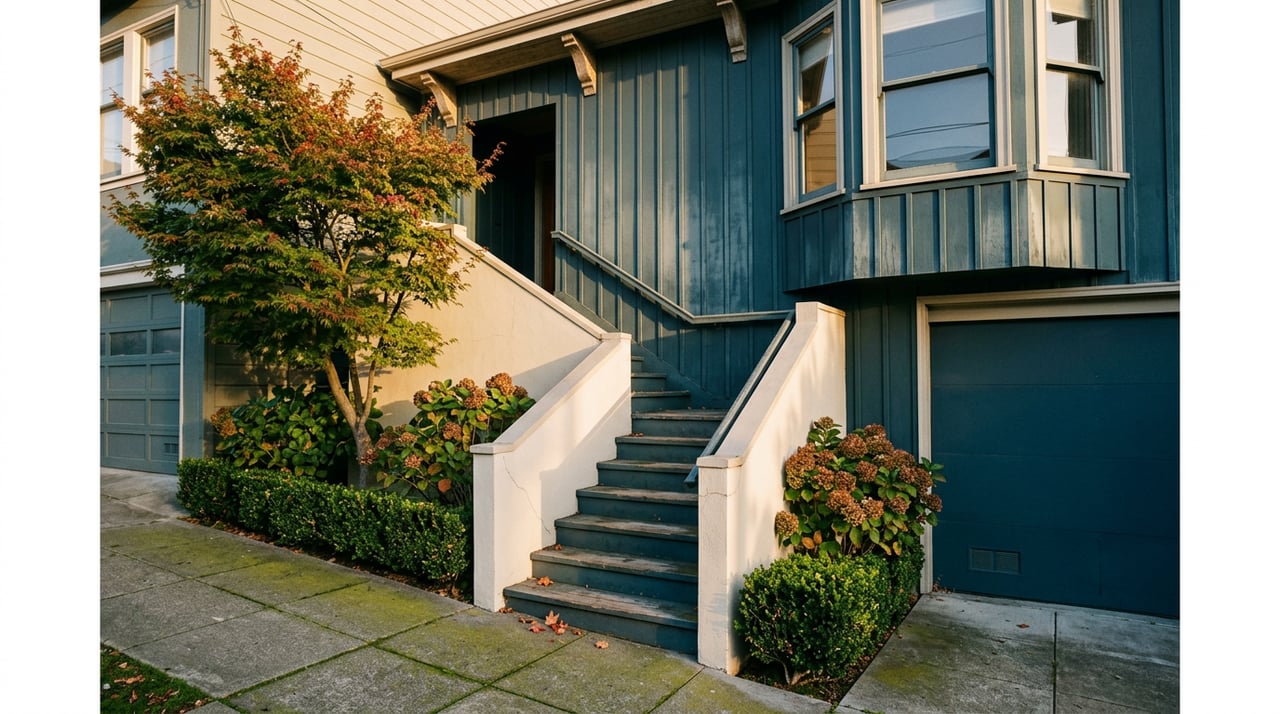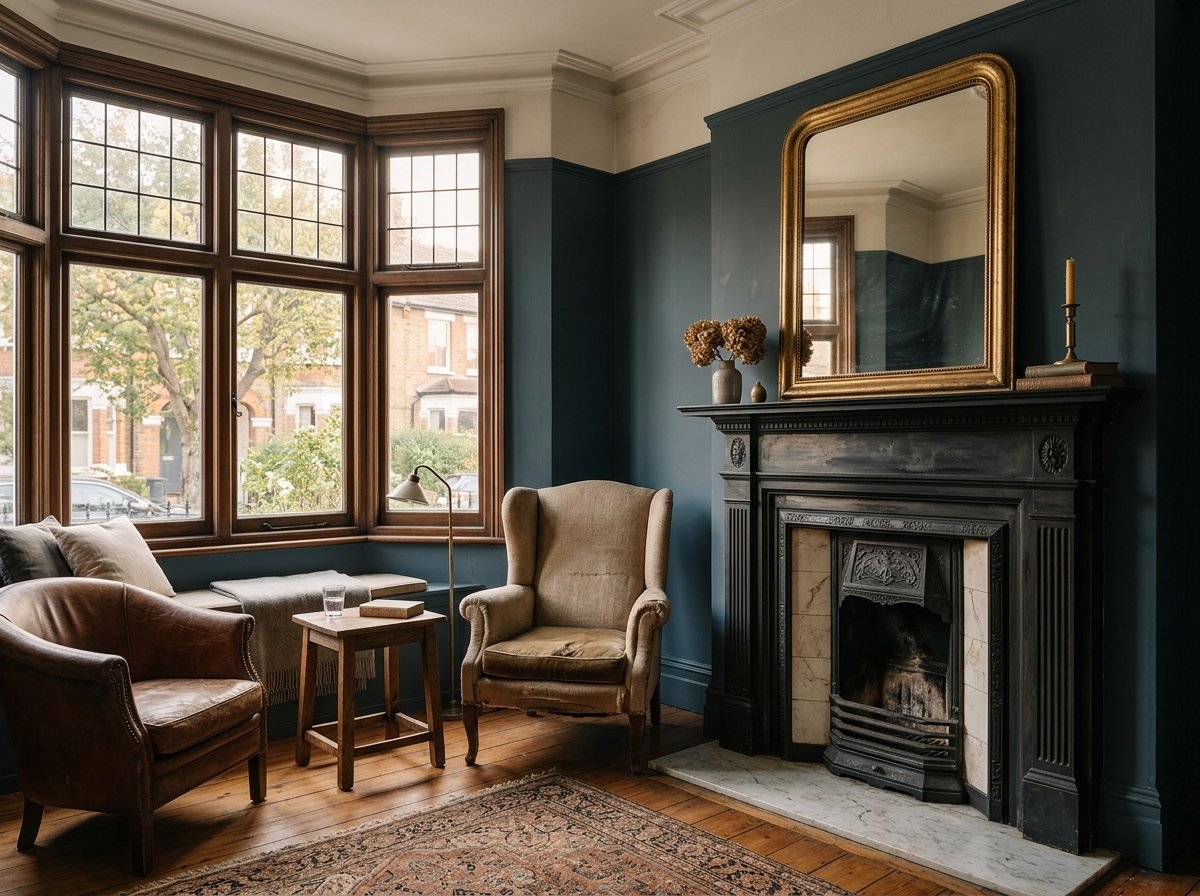
Buying in Pacific Heights is rarely just about square footage or finish level. In this part of San Francisco, buyers are often weighing three things at once: how a home shows today, what kind of views it offers, and how much upside it may have tomorrow. If you are trying to decide whether to pay for turnkey, take on a project, or hold out for the right mix of both, this guide will help you think through the tradeoffs with more clarity. Let’s dive in.
Why Pacific Heights buyers look deeper
Pacific Heights is a premium market, and the numbers reflect that. Redfin reported a median sale price of $2,300,500 in March 2026 with 13 median days on market, while Realtor.com reported an April 2026 median sold price of $2.225 million, a median listing price of $1.895 million, 51 active listings, and 39 median days on market. Even with differences in the data sets, both point to the same reality: this is a competitive market where buyers need to make sharp decisions.
Part of that urgency comes from the neighborhood itself. San Francisco Planning describes Pacific Heights as a place shaped by steep topography, large lots, detached residences, later apartment buildings in some areas, and select streets with sweeping Bay views. In plain English, not every block offers the same experience, and not every property has the same long-term appeal.
Views often carry outsized value
In Pacific Heights, views are not just a nice bonus. San Francisco’s General Plan specifically recognizes the importance of views, topography, building form, and district character across the city. In a hillside neighborhood like this one, elevation and orientation can change how a home feels and how buyers value it.
That matters because some things can be updated and some cannot. You can change paint, fixtures, and even parts of a layout, but you cannot create a better hillside position or invent a stronger view line if the site does not already have one. That is one reason buyers often pay a premium for homes with standout outlooks, natural light, and a sense of openness.
When you tour homes in Pacific Heights, it helps to look past the first impression and ask a few practical questions:
- What rooms actually capture the view?
- Is the view from the main living spaces or only a secondary bedroom?
- Does the home get strong natural light throughout the day?
- Does the elevation improve privacy, outlook, or both?
A beautiful view from the right rooms can justify a higher price more than many cosmetic upgrades ever will.
Condition matters, but not always in the same way
Pacific Heights has a deep inventory of architecturally significant homes and character-rich buildings. San Francisco Planning identifies styles such as Queen Anne, Shingle, Craftsman, Classical Revival, Colonial Revival, Tudor Revival, French Provincial, and Mediterranean Revival in the neighborhood. That means buyers are often evaluating more than finishes. They are also judging craftsmanship, proportions, layout flow, and how well the property has been maintained over time.
A polished kitchen and fresh staging can make a home feel easy, but condition goes beyond what you see in listing photos. California’s Department of Real Estate advises buyers to inspect electrical, plumbing, and structural integrity, review disclosures carefully, and budget for items like special taxes, assessments, or HOA dues when relevant. That advice is especially important in older San Francisco housing stock, where a home may look updated while still needing meaningful systems work.
In Pacific Heights, condition usually falls into one of three buckets:
Turnkey and well-resolved
These homes tend to command the strongest prices because the hard decisions have already been made. If the property also has strong light, a good floor plan, parking that works in real life, and a compelling view, many buyers decide it is worth paying up.
Livable but dated
This is often the sweet spot for buyers who want value-add potential without taking on a full overhaul. If the home has good bones and the needed work is mostly cosmetic or focused on secondary spaces, the upside can be attractive.
Charming but work-heavy
These homes can be tempting, especially if the architecture is special. But if older systems, circulation issues, exterior work, or parking limitations are part of the package, the total cost and timeline can rise quickly.
Potential is only valuable if it is realistic
This is where many Pacific Heights decisions get more nuanced. Buyers often see a home and think about what it could become. That instinct is not wrong, but the key is separating true potential from expensive wishful thinking.
San Francisco DBI notes that most building permit applications require plans, although some interior work, such as a kitchen or bath remodel without layout changes, may qualify for a simpler process. SF.gov also notes that visible exterior changes or work involving certain historic categories can trigger added review. In practical terms, the closer your plan stays to straightforward interior improvements, the easier the path may be.
That is why targeted updates are often smarter than ambitious reinventions. If a home already has the right location, architecture, and basic layout, thoughtful improvements can meaningfully raise livability without forcing you into a long and layered approval process.
What is easier to change
Some upgrades are more predictable than others. In general, buyers tend to have a clearer runway when they focus on:
- Cosmetic finish updates
- Kitchen or bath remodels without major layout changes
- Improving secondary rooms
- Better storage, lighting, and interior functionality
These types of projects can still require planning and permits, but they are usually more straightforward than trying to alter the exterior presence or core structure of the home.
What is harder to change
Other improvements can be much more complex in Pacific Heights because of the neighborhood’s age, topography, and historic context. These can include:
- Major structural or circulation changes
- Additions or expansions
- Front facade changes
- Work that affects historically sensitive properties
- Parking reconfiguration or difficult access issues
San Francisco Planning’s historic evaluation also helps explain why one house may be far more adaptable than the next. Pacific Heights developed across steep terrain, with variations in access, lot configuration, garages, and later infill. So two homes with the same bedroom count may have very different renovation paths.
Why layout can matter more than finishes
One of the most common buyer mistakes is over-focusing on surface finishes while underestimating how the home actually lives. A great floor plan can make a dated home worth pursuing. A poor layout can make even an attractive renovation feel frustrating over time.
Before you write an offer, think about your daily life inside the home. Does the main level support how you gather, work, cook, or unwind? Are stairs, room connections, and circulation comfortable for how you actually live? If the answer is no, it is worth looking closely at whether those issues can truly be fixed.
In many cases, the best buy is not the prettiest property. It is the one with the strongest fundamentals.
Condos bring a different layer of analysis
If you are comparing a Pacific Heights condo to a single-family home or small multi-unit option, the decision is not only about style or price. It is also about the ownership structure and monthly carrying costs.
California’s Department of Real Estate notes that HOA membership is automatic in common-interest developments, and HOAs can levy dues and assessments. Regular assessments support operations and reserves, while special assessments may be used for major repairs or extraordinary costs. That means a condo with lower upfront maintenance may still require careful review of HOA documents, reserve health, and assessment risk.
For condo buyers, a smart review usually includes:
- Monthly HOA dues
- Reserve funding
- Any planned major building work
- History of special assessments
- Rules that may affect future updates
This is one area where details matter more than headlines. A stylish unit can still carry financial or renovation limitations that affect long-term value.
A practical Pacific Heights buyer framework
When buyers feel stuck between condition, views, and potential, I usually bring the decision back to scarcity. In Pacific Heights, the hardest things to replicate are often the site, the outlook, the architecture, and the natural light. If a home already nails those elements, paying more for strong condition can make sense.
On the other hand, if the property has the right bones but dated finishes, targeted updates may be the better play. The goal is not to buy the most work. The goal is to buy the right underlying asset and improve what is realistically changeable.
Here is a simple framework to use:
Choose turnkey when the home already has the rare stuff
A premium may be justified when the property offers:
- A strong view line
- Great light and elevation
- A layout that already works
- Functional parking or access
- Architectural character that has been preserved well
Choose value-add when the upside is clear
A project may make more sense when the property offers:
- Strong bones and proportions
- Cosmetic wear rather than deep functional issues
- Interior improvements that seem feasible
- Enough discount to offset time, cost, and effort
Be careful when the plan depends on big unknowns
Proceed more cautiously when your vision requires:
- Exterior changes
- Major structural rework
- Historic review uncertainty
- Solving difficult parking or access limitations
- HOA approval questions in a condo building
Questions to answer before making an offer
In a fast-moving neighborhood, it helps to get very specific very quickly. These are the questions that often sharpen the decision:
- Is the view strong enough, and positioned well enough, to justify the price?
- Does the current layout support your actual lifestyle?
- Are the systems and structure in line with the home’s presentation?
- Is the parking legal, functional, and easy to use?
- If it is a condo, are the dues, reserves, and assessment risk acceptable?
- Will your renovation goals likely stay in the lane of simpler interior work, or do they point toward a longer approval path?
The clearer your answers, the better your offer strategy tends to be.
Pacific Heights rewards buyers who can see both the present and the future of a property at the same time. The right home is not always the newest or the most polished. Often, it is the one where the location, views, architecture, and realistic upgrade path line up in a way that supports your goals now and later.
If you want help pressure-testing a Pacific Heights property, comparing turnkey versus project options, or reviewing renovation feasibility before you write, Kate Stoll can help you build a clear plan and move with confidence.
FAQs
How competitive is the Pacific Heights housing market?
- Pacific Heights is a premium, competitive market. The research provided shows March and April 2026 data from Redfin and Realtor.com with multi-million-dollar median prices and relatively short days on market, both pointing to strong buyer competition.
Why do views matter so much in Pacific Heights homes?
- Views carry extra weight because Pacific Heights is a hillside neighborhood where elevation, orientation, and Bay outlooks can significantly shape daily experience and value. Those features are also much harder to recreate than interior finishes.
Should Pacific Heights buyers pay more for a turnkey home?
- Paying more can make sense when the home already has the scarce features you cannot easily replace, such as strong views, natural light, a solid layout, and functional access or parking.
What should Pacific Heights buyers inspect in older homes?
- Buyers should closely review electrical, plumbing, and structural integrity, along with seller disclosures and any ongoing costs tied to the property. Older homes can appear updated while still needing important systems work.
Are renovations in Pacific Heights harder than expected?
- They can be. Simpler interior remodels may have a more straightforward path, but visible exterior changes, historically sensitive properties, and major structural work can involve more review, time, and cost.
What should condo buyers review in Pacific Heights buildings?
- Condo buyers should review HOA dues, reserve funding, special-assessment risk, planned building work, and any rules that could affect future remodeling or carrying costs.