Buying in Noe Valley and already picturing the kitchen you’ll cook in or the ADU you’ll rent out? You’re not alone. Many buyers plan updates the moment they step inside a classic San Francisco home. This guide gives you clear, local steps to line up scope, permits, costs, and timelines so you avoid surprises and start strong. Let’s dive in.
Noe Valley homes: what to expect
Building types and layouts
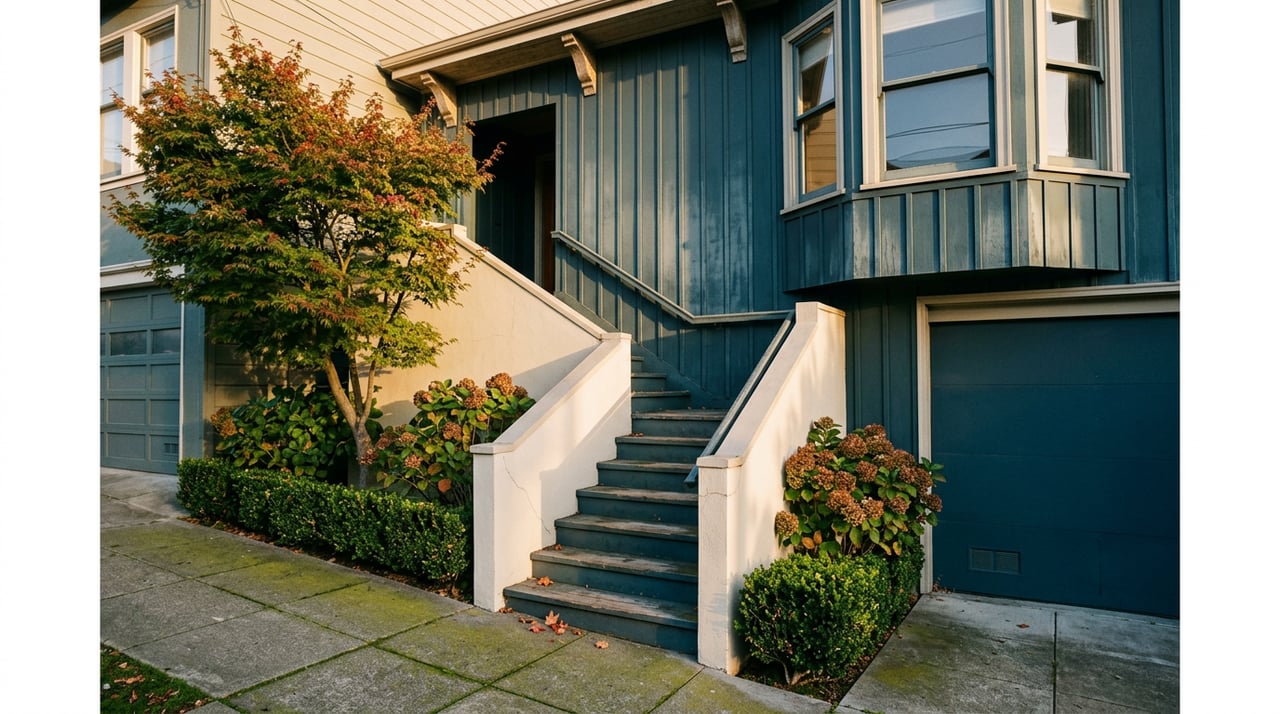
Noe Valley features many late 19th and early 20th century wood-frame Victorians and Edwardians, plus low-rise condos and a few newer infill homes. Lots often run deeper than they are wide, and floor plans can be stacked. That layout drives common projects like finishing lower levels, opening the back of the parlor floor to the yard, adding roof decks, or converting garages.
Why structure and drainage matter
Older wood-frame homes can hide legacy systems like knob-and-tube wiring, galvanized plumbing, or localized dry rot. Foundation, seismic, and drainage items are the biggest risks to schedule and budget, especially if you plan to finish underfloor areas or move walls. Build extra time and contingency when you touch anything structural.
Historic and notice checks
Some blocks or features may trigger added Planning review for exterior changes. Before you design a new facade, dormer, or roof deck, confirm whether your property sits in an area with additional review or neighborhood notice. Start with San Francisco Planning’s guidance on approvals and neighborhood districts to understand potential design constraints and timelines. You can learn more in the City’s overview of Planning processes and ADU rules on the San Francisco Planning site under Accessory Dwelling Units and related reviews (San Francisco Planning ADU overview).
Define your renovation scope
Cosmetic updates
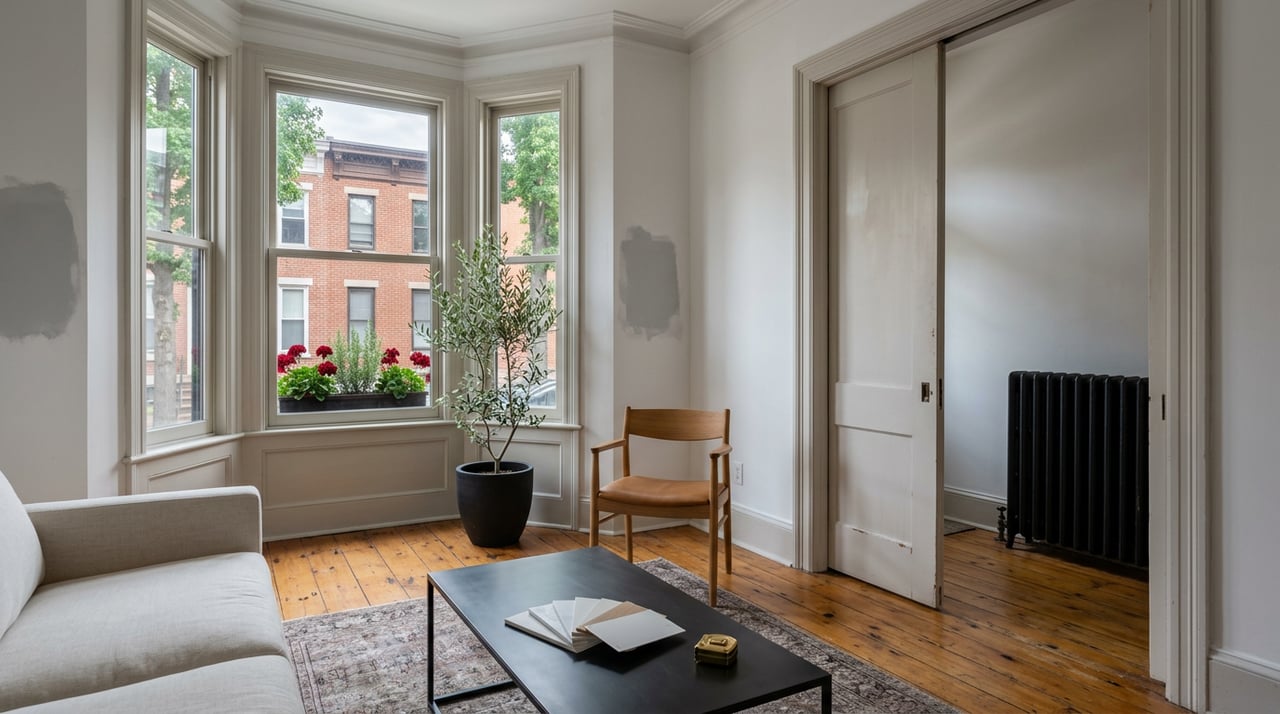
Paint, flooring, cabinet hardware, some countertop swaps, and light fixture replacements are typical cosmetic moves. These are the fastest, least expensive path to personalize a home and often don’t need a building permit when you’re not relocating plumbing or electrical. See below for timing and cost anchors.
Systems and trades
Upgrading an electrical panel, water heater, HVAC, or appliances usually requires trade permits and inspections. Small trade permits can be issued quickly when documents are complete. Review San Francisco’s Over-the-Counter guidance for common small-scope permits (DBI OTC permits).
Structural changes and layout moves
Removing load-bearing walls, cutting new openings, foundation work, adding bedrooms or baths with new plumbing runs, or altering the home’s structure will push you into plan review. Expect structural calculations, plan checks, and a longer construction window. DBI explains plan review services and timing tiers for different scopes (DBI plan review services).
Additions, roof decks, and ADUs
Projects that expand the footprint, add a story, build a roof deck, or create an ADU often require both Planning and DBI review. State ADU paths can offer a streamlined 60-day Planning review from a complete application, but you still need DBI permits and inspections. Get familiar with program rules early (San Francisco Planning ADU overview).
Cost ranges and ROI in San Francisco
Use these bands as planning anchors. Actual bids vary by age, hidden conditions, complexity, and finish level.
- Cosmetic refresh for a single home: typically $10k to $40k. Contingency: 5 to 10%. Benchmarks show curb appeal and small interior wins carry strong perceived value (2025 Cost vs Value).
- Kitchen updates:
- Minor or midrange refresh (cabinet refacing, new counters, appliances, paint): roughly $25k to $65k, with strong value recapture for lower-scope jobs (2025 Cost vs Value).
- Major reconfiguration or luxury finishes: often $100k+. Contingency: 15%+.
- Bathroom remodel: plan on $12k to $40k depending on size and finishes. Contingency: 10 to 20% (Angi’s SF guide).
- Whole-house or full gut: often $350+ per sq ft for high-end or complex work. Contingency: 15 to 25%.
- ADU or garage conversion: wide range from mid-five figures to six figures depending on structure, systems, and required code upgrades. Program rules affect timing and cost (San Francisco Planning ADU overview).
What typically recoups best at resale in our region: exterior curb items (entry or garage doors) and lower-scope interior projects (minor kitchen, hardwood refinish). High-end bespoke projects often return a lower percentage of cost (2025 Cost vs Value).
Permits and timelines in San Francisco
What usually needs a permit
You’ll likely need a permit if you change structure, relocate plumbing or electrical, add a bedroom, bathroom, or unit, or create new exterior openings. Many like-for-like repairs and in-kind kitchen updates with no layout change can qualify for quicker Over-the-Counter paths when documentation is complete (DBI OTC permits).
How reviews work
Smaller code-conforming trade permits can be issued quickly. Larger projects go through coordinated plan review across DBI, Planning, Fire, and other agencies. DBI outlines its plan review services, routing, and inspection process on its website (DBI plan review services).
Plan-check timeline anchors
- Over-the-Counter permits: same day to a few days for eligible scopes (DBI OTC permits).
- Trade permits or small in-house plan check: a few weeks, depending on completeness and routing (DBI plan review services).
- Complex structural, additions, or ADUs: often multiple weeks to several months. Qualifying State ADU applications target a 60-day Planning review from a complete submittal, but full issuance and construction still add time (San Francisco Planning ADU overview).
Fees and inspections
Permit fees in San Francisco are largely valuation-based and vary by permit type and scope. Review the City’s current fee resources when budgeting (DBI fee resources). Most permits include staged inspections for rough trades and finals. Plan for inspection cadence so crews are not waiting.
Special programs to check early
If you’re buying a multi-unit wood building, confirm whether it’s subject to the City’s Mandatory Soft-Story Retrofit program. Being on that list can change your obligations and timeline (Soft-Story program overview).
Timeline anchors for common projects
- Cosmetic refresh (paint, floors, lighting): about 2 to 6 weeks from start.
- Midrange kitchen with no layout change: roughly 6 to 12 weeks including quick permits and inspections (2025 Cost vs Value).
- Major kitchen or bath with layout changes: plan on 3 to 6 months including plan review and inspections (DBI plan review services).
- ADU or addition: a 6 to 12+ month process across plan check, issuance, and construction, depending on complexity and completeness (San Francisco Planning ADU overview).
Your buyer playbook: from offer to keys
- Pre-offer
- If allowed, bring a contractor for a quick walk-through to flag must-do vs nice-to-have work and to spot obvious risks.
- Request the property’s permit history or 3R report to see prior permitted work.
- Offer and inspection window
- Include enough time for a full home inspection plus specialists as needed (structural engineer, sewer scope, pest, and older-home hazards like lead or asbestos).
- Use the window to get 2 to 3 preliminary contractor bids aligned to your planned scope. Explore financing options early if you plan larger work, including renovation or construction loans (fixer-upper financing overview).
- Post-inspection negotiation
- Ask for seller repairs, closing credits, or a price reduction backed by contractor estimates.
- Keep critical safety or systems items as non-waivable when possible. Document repairs and require permits for any seller-completed work.
- Before construction
- Verify contractor licensing and insurance. The California Contractors State License Board explains classifications and how to confirm credentials (CSLB guidance).
- Require a written scope with a clear payment schedule and change-order rules. Confirm who pulls permits and that fees and inspections are included in the bid. Ask for lien releases with each payment.
- Build a realistic budget and schedule
- Contingency: 10 to 20% for cosmetic to midrange, 15 to 25%+ for structural work or very old homes.
- Schedule buffer: expect some permit or inspection delays and plan material lead times. Close out with a written punch list and final permit sign-off before final payment.
Red flags to watch during tours
- Signs of unpermitted work or gaps in DBI permit/3R records.
- Patchwork electrical or plumbing, active DBI enforcement, or placards.
- Repeated water damage marks on ceilings or floors, or subfloor issues where visible.
- Properties listed on mandatory retrofit or remediation programs for multi-unit buildings (Soft-Story program).
Quick walk-through questions to ask
- What is the age and condition of visible plumbing risers and the water heater?
- Where is the electrical panel, and what is its amperage and age?
- Any visible signs of past dry rot, patched foundations, or sloped floors?
- How does drainage flow in the rear yard, and are downspouts tied in?
- Is the garage suitable for conversion or an ADU based on access and structure?
Make the most of your investment
Start with the highest-impact, lowest-complexity wins first. Minor kitchen refreshes, paint, lighting, and a strong front entry often deliver the best balance of cost, time, and value. As you plan larger changes, align scope with your timeline and budget, confirm permit paths up front, and keep a healthy contingency.
If you want a clear, step-by-step plan tied to a specific Noe Valley home, I coordinate contractor walk-throughs, preliminary budgets, and permitting game plans so you can buy with confidence. Let’s map your options and timeline together. Connect with Kate Stoll to get started.
FAQs
What permits do I need for a Noe Valley remodel?
- In San Francisco, you typically need permits for structural work, new or relocated plumbing or electrical, additions, exterior openings, and new bedrooms or units. Many in-kind or like-for-like updates can qualify for Over-the-Counter processing if eligible (DBI OTC permits).
How long does an ADU approval take in San Francisco?
- From a complete application, qualifying projects under the State ADU path target a 60-day Planning review, but total time including DBI issuance and construction commonly runs 6 to 12+ months depending on complexity (San Francisco Planning ADU overview).
What renovation contingency should I carry in San Francisco?
- Plan on 10 to 20% for cosmetic to midrange scopes and 15 to 25% or more for structural work or very old homes, where hidden conditions are common.
Do cosmetic updates need permits in San Francisco?
- Many surface-level changes like paint, flooring, cabinet hardware, and some countertop or fixture swaps do not require a building permit, but trade permits may still apply for certain electrical or plumbing items (DBI OTC permits).
How do I verify a contractor’s license in California?
- Use the California Contractors State License Board to confirm license status, classification, and insurance before you sign a contract (CSLB guidance).