Buying a condo in Russian Hill can look simple on paper. You find a great view, a smart floor plan, and a building that feels full of San Francisco character. But in this neighborhood, the right purchase is rarely just about the unit itself. You also need to understand the building, the HOA, and how the hill affects daily life. If you want to make a confident decision and avoid expensive surprises, this guide will show you what to evaluate first. Let’s dive in.
Start With the Building, Not the Finishes
In Russian Hill, building health should come before cosmetic appeal. A beautifully updated kitchen matters less if the HOA is underfunded, the building has deferred maintenance, or major repairs are looming.
That is especially important in a neighborhood shaped by historic streets, older buildings, and steep topography. Nearby areas include historic districts such as Russian Hill/Macondray Lane and West Slope blocks documented by San Francisco Planning as containing buildings from the mid-19th century through the present. In plain English, that means age, access, and maintenance are not side issues. They are central to your purchase.
If you are comparing two condos, the better buy is often the one with stronger reserves and cleaner disclosures, even if the finishes are less flashy.
Review HOA Health Carefully
When you buy a California condo, you are buying more than four walls. The California Department of Real Estate explains that a condominium is a common-interest development, which means you own your separate unit plus an interest in the common area.
That makes the HOA a major part of your investment. You are relying on it to operate, maintain, and plan for the shared parts of the property over time.
Look Beyond Monthly Dues
Low HOA dues can seem attractive, but they do not always mean lower ownership costs. In many cases, low dues simply mean the association may not be saving enough for future repairs.
Under California Civil Code Section 5300, condo associations must provide an annual budget report that includes reserve summaries, a reserve funding plan, deferred major repairs or replacements, anticipated special assessments, outstanding loans, insurance summaries, and FHA or VA approval status. That report gives you a much better picture of future costs than the dues amount alone.
Ask for These HOA Items
Before you move forward, make sure you review:
- Current monthly dues
- Reserve summary and, if needed, the full reserve plan
- Any deferred maintenance listed by the HOA
- Planned increases in regular dues
- Any anticipated or approved special assessments
- Outstanding HOA loans
- Insurance summary
- FHA or VA project approval status, if financing flexibility matters to you
If reserves are thin and large projects are coming, your monthly budget may change faster than you expect.
Read the Disclosure Package Closely
In Russian Hill, the listing sheet is only the beginning. The real story is in the disclosure package.
Under California Civil Code Section 4525, a condo resale disclosure package can include governing documents, budget materials, current regular and special assessments, unpaid amounts, unresolved violation notices, already approved assessment changes, leasing prohibitions, and board minutes from the last 12 months if requested. It also includes the most recent exterior-elevated-element inspection report.
That is where you verify what is actually being sold and what risks may come with it.
Confirm What Is Actually Deeded
This matters more than many buyers realize. If a listing mentions deeded parking, private storage, a view terrace, or a remodeled space, you should confirm whether that feature is:
- Part of the legal unit
- Exclusive-use common area
- Common area used by custom or convenience
That distinction affects value, use rights, and resale. The DRE condo guide makes clear that the unit, common area, and HOA obligations are legally separate.
Evaluate Access Like a Daily-Life Test
Russian Hill is beautiful, but it is not flat. That sounds obvious, yet buyers still underestimate how much the hill changes daily living.
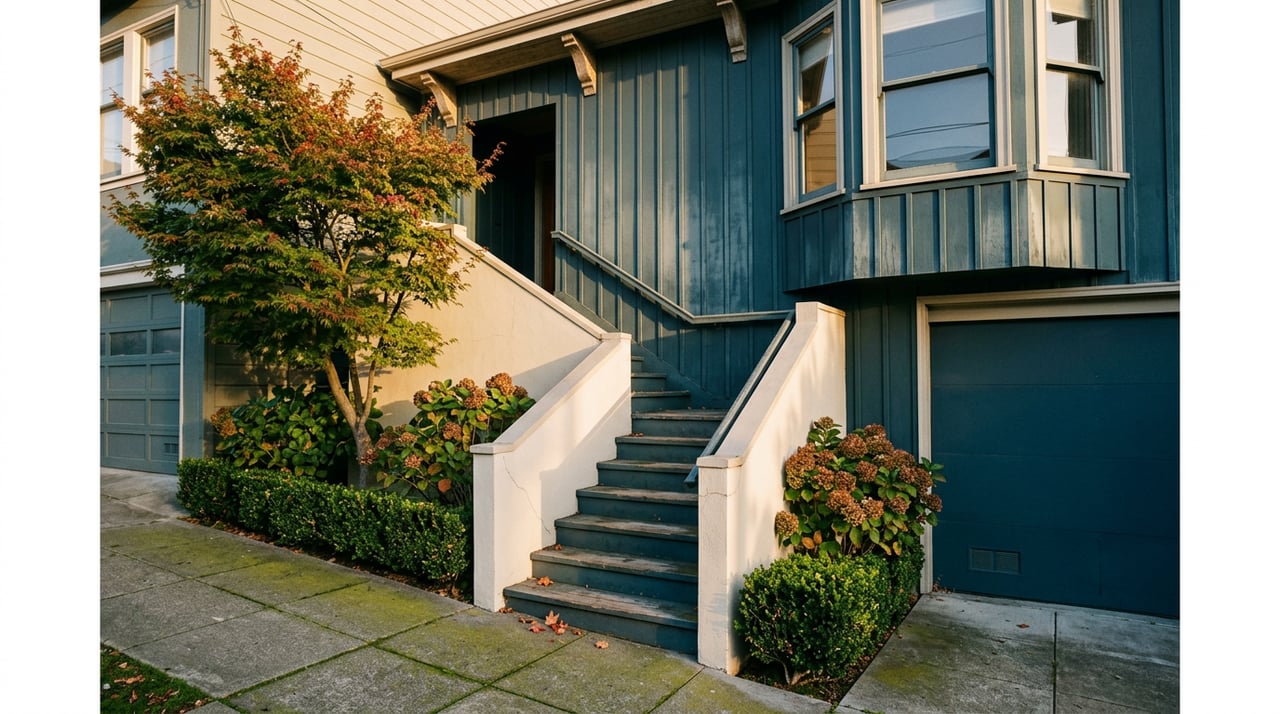
San Francisco Travel notes that Macondray Lane is reached by old wooden stairs, and the neighborhood’s stairway network reflects its hilltop setting. For condo buyers, that means vertical circulation is part of the lifestyle.
Questions to Ask About Access
Think beyond the showing itself. Ask yourself:
- How many stairs do you climb from street to lobby?
- Are there stairs between the lobby and the unit?
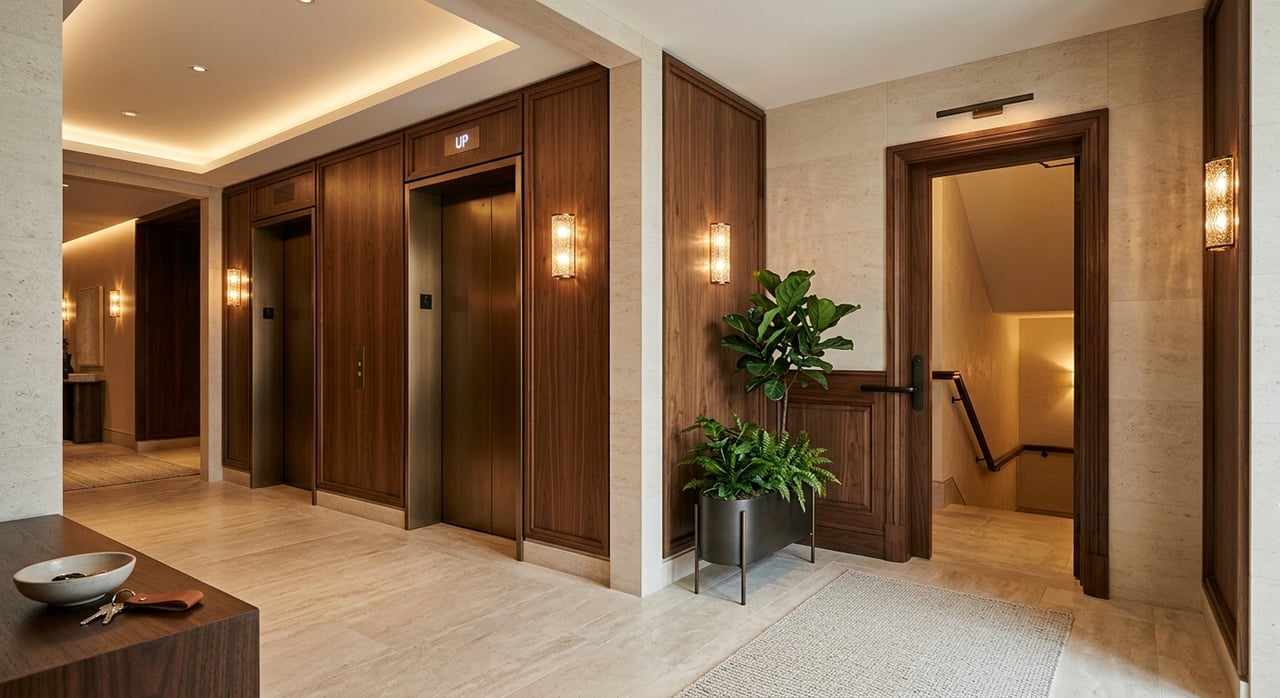
- If there is an elevator, how reliable is it?
- How hard will move-in day be?
- How will you handle groceries, deliveries, or pets?
- Does the parking setup make day-to-day use easier or harder?
A condo can be stunning and still be inconvenient for your actual routine. In Russian Hill, access is part of livability and resale appeal.
Pay Attention to Exterior Elements
Balconies, decks, walkways, and exterior stairs deserve extra scrutiny in condo buildings. This is especially true in San Francisco, where many buildings have exterior features exposed to weather over time.
Under California Civil Code Section 5551, condominium projects with three or more attached multifamily dwelling units must complete periodic inspections of exterior elevated elements by a licensed structural or civil engineer or architect. The written report must address condition, remaining useful life, repair recommendations, and whether any immediate safety threat exists.
If the building has decks, balconies, stairways, or elevated walkways, review that report carefully. It can reveal whether major repair work is already known, underway, or likely soon.
Build the Right Inspection Team
A standard condo purchase still benefits from targeted expert review. In Russian Hill, older building stock and hillside conditions often make that even more important.
The California DRE buyer guide states that when legal or expert advice is needed, buyers should consult a competent attorney or other professional. It also notes that buyers may want an electrical inspection by a qualified professional because faulty wiring can create fire risk and insurance issues.
Professionals Worth Considering
Depending on the building, your team may include:
- A home inspector
- A structural engineer, especially for older buildings or signs of settlement or water intrusion
- An insurance broker to review HOA coverage and deductible exposure
- An attorney, if governing documents or legal rights need interpretation
This is where a well-organized process matters. Having the right inspectors and insurance guidance early can save you time, money, and stress.
Review Insurance With Fresh Eyes
Many buyers assume the HOA’s master policy covers everything important. It does not.
Under Civil Code Section 5300, the HOA’s annual summary must list property, general liability, earthquake, flood, and fidelity policies. The statutory notice also warns that HOA insurance may not cover a unit owner’s personal interior property or all deductible exposure.
That means you should not stop at “the building is insured.” You should ask what the HOA covers, what your lender may require, and what gaps you may need to cover with your own policy.
Consider Financing Flexibility
If financing matters now or may matter at resale, check the project’s approval status. California’s annual budget report for condo projects must disclose whether the project is FHA-approved or VA-approved.
That may affect your financing options today and the future buyer pool when you sell. Even if you are not using FHA or VA financing yourself, approval status can still matter for long-term marketability.
Use a Smart Priority Order
When buyers fall in love with a condo, it is easy to focus on views, finishes, and staging. Those things matter, but they should not be first on your list.
For most Russian Hill condo purchases, the smarter order is:
- Building health and reserves
- Access and daily usability
- View quality and floor plan
- Cosmetic finish
That order lines up with the practical reality of condo ownership in this neighborhood. A great kitchen is nice. A well-run building is better.
How I’d Approach a Russian Hill Condo Search
If you are buying in Russian Hill, I would want you looking at each condo through two lenses at the same time: lifestyle fit and building risk. One tells you whether you will enjoy living there. The other tells you whether the purchase is likely to stay financially manageable.
That means reviewing disclosures with care, pressure-testing the HOA, and thinking honestly about stairs, access, and future maintenance. It also means bringing in the right vendors when a building raises technical questions. That kind of direct, organized process tends to reduce surprises and helps you make decisions with a clear head.
If you are weighing a Russian Hill condo and want a candid second opinion, Kate Stoll can help you evaluate the unit, the HOA, and the real tradeoffs before you commit.
FAQs
What should you review in a Russian Hill condo HOA?
- You should review dues, reserve summaries, the reserve funding plan, deferred maintenance, special assessments, outstanding loans, insurance summaries, and any planned assessment increases.
Why does access matter when buying a Russian Hill condo?
- Access matters because Russian Hill’s steep terrain and stair-heavy streets can affect daily usability, move-in logistics, convenience, and resale appeal.
What disclosures should you request for a Russian Hill condo purchase?
- You should review governing documents, budget materials, assessment information, unresolved violation notices, leasing restrictions, board minutes if requested, and the most recent exterior-elevated-element inspection report.
What is the exterior-elevated-element inspection for a California condo building?
- It is a required inspection for certain condo buildings with features like balconies, decks, stairways, and walkways, and it addresses condition, useful life, repair recommendations, and safety concerns.
Why are low HOA dues not always a good sign in a Russian Hill condo?
- Low dues may mean the HOA is not adequately funding reserves, which can increase the risk of deferred maintenance or future special assessments.
Who should help you evaluate a Russian Hill condo before you buy?
- Depending on the property, you may want a home inspector, structural engineer, insurance broker, and attorney to help assess the building, disclosures, and ownership risks.