Thinking about moving to the Sunset? It can be one of San Francisco’s easiest neighborhoods to romanticize and one of the easiest to misunderstand. If you want a clear picture of what daily life actually feels like, from the housing stock to the fog to the commute, this guide will help you sort through the tradeoffs and decide whether the Sunset fits how you want to live. Let’s dive in.
What the Sunset Feels Like
The Sunset is one of San Francisco’s most residential neighborhoods, and that shapes almost everything about day-to-day life. City planning materials describe the broader Sunset/Parkside area as highly residential and middle class, with young families and diverse populations, including a large and thriving Chinese community. The city also created the Sunset Chinese Cultural District in 2021 as the first west-side cultural district.
Instead of one central downtown-style core, the Sunset runs on neighborhood corridors. City materials point to Irving Street as a growing retail district and Noriega as a distinctive commercial corridor, with local shops, cafes, restaurants, and practical everyday businesses playing a bigger role than nightlife. If you want a neighborhood built around errands, meals, coffee, and regular routines, that pattern tends to make sense quickly.
Inner Sunset vs Outer Sunset
The Sunset is not one-note, and your experience can change depending on where you land.
Inner Sunset lifestyle
The Inner Sunset sits next to Golden Gate Park and has a more active feel. According to SF.gov’s neighborhood guide, this area is known for food, boutiques, shops, and family-oriented festivals, with the park acting as a major extension of everyday life.
If you like being able to step out for a walk, grab coffee, and reach the park without much planning, the Inner Sunset tends to deliver that kind of convenience. It feels a bit busier and more connected to surrounding parts of the city.
Outer Sunset lifestyle
The Outer Sunset is quieter and more ocean-facing. SF.gov describes it as the city’s quiet side, with beaches, residential blocks, and local shops, cafes, and restaurants.
If your ideal San Francisco day includes more space, a calmer rhythm, and easy access to the coast, the Outer Sunset may be the better fit. It often appeals to buyers who want a lower-key setting without leaving the city.
What Homes Look Like
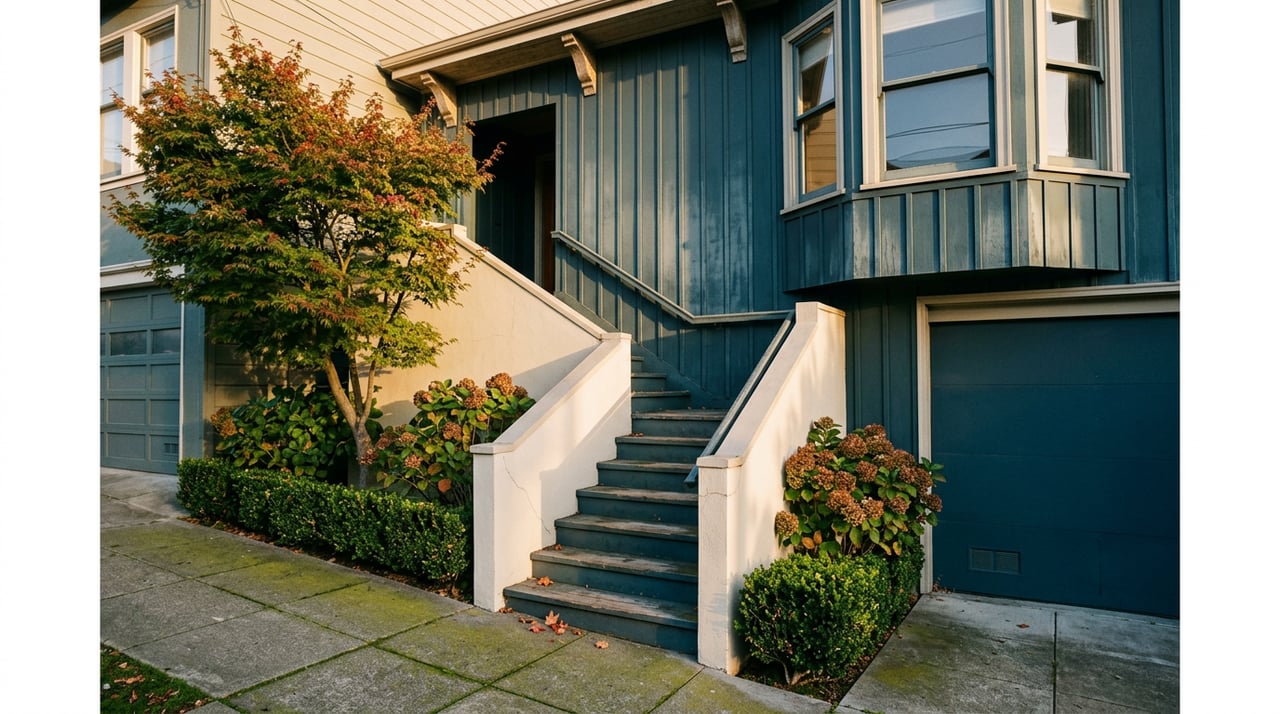
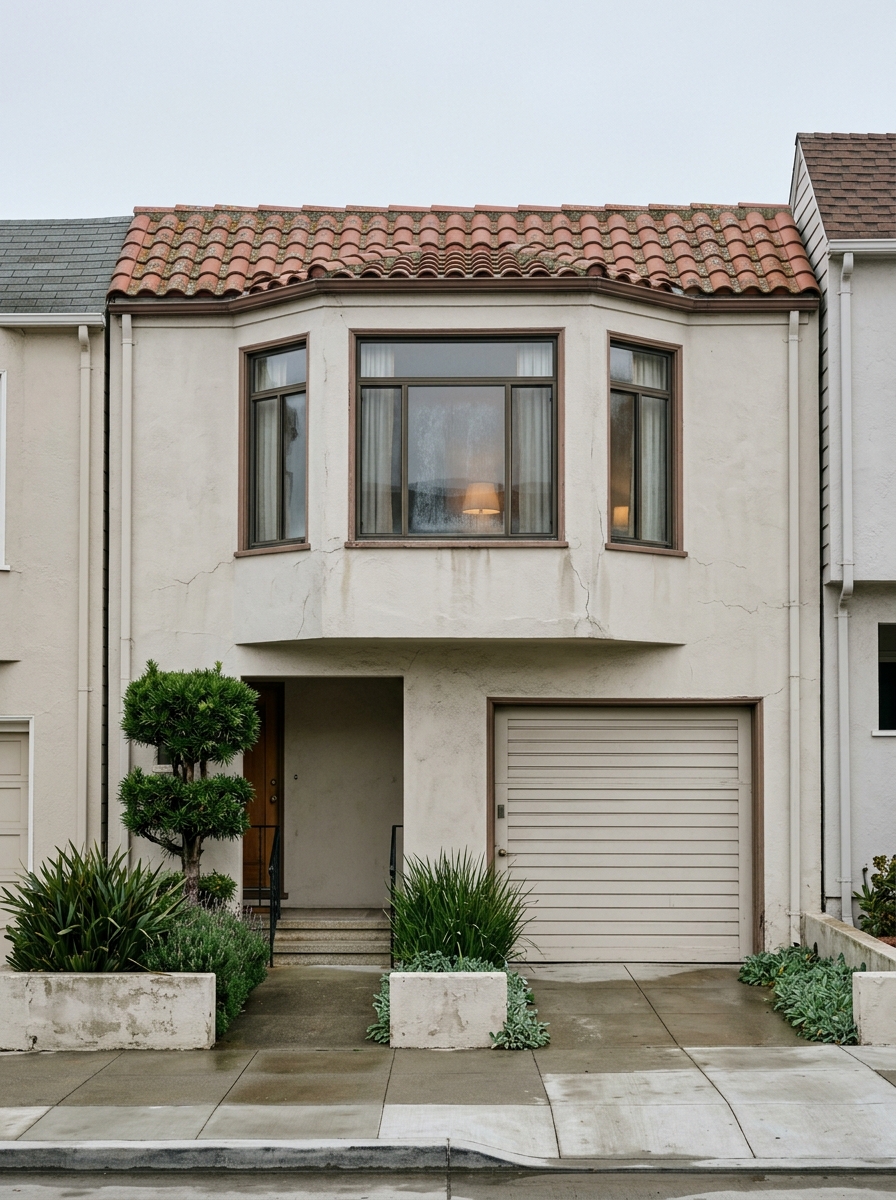
If you are expecting lots of new construction, the Sunset may surprise you. Most of the neighborhood was built between 1925 and 1950, and SF Planning’s historic survey describes the dominant housing type as stucco-clad single-family homes with integrated garages and living space above, usually on 25-foot-wide lots.
That consistent pattern gives many blocks a strong visual rhythm. You will also see architectural styles such as Colonial Revival, Minimal Traditional, Tudor Revival, French Provincial, Spanish Colonial Revival, Storybook, and occasional Streamline Moderne examples.
Duplexes and apartments are part of the mix, but single-family tracts are the norm. For buyers, that often means older, compact homes with character and a practical layout rather than large lots or brand-new product.
What Buyers Should Know About Space
The Sunset’s housing stock tends to reward realistic expectations. Many homes were built for efficient living, so you may find narrower footprints, garage-level space, and room layouts that reflect an earlier era of construction.
That does not mean the homes lack potential. It does mean you should evaluate how the house works for your routine now, and whether thoughtful updates could improve the layout over time. If you are considering a property with renovation upside, having a clear scope and cost estimate before you commit can make a big difference.
Commuting From the Sunset
Transit is a major part of life in the Sunset, and it helps to go in with your eyes open. According to SFMTA’s Outer Sunset neighborhood page, the area is served by routes including the L Taraval, N Judah, 7 Haight/Noriega, 28 and 28R 19th Avenue, 29 Sunset, 48 Quintara/24th Street, and 66 Quintara, while the Inner Sunset also adds the 6 Hayes/Parnassus and more cross-town bus options.
SFMTA also notes that the L Taraval Improvement Project is complete and that Taraval remains an important corridor for shopping, dining, and neighborhood travel. That is good news for everyday mobility and street-level activity.
The practical takeaway is simple. The Sunset works best if you are comfortable with a Muni-heavy, often transfer-based routine rather than expecting one fast rail line to solve every commute. For some people, that is completely manageable. For others, it is the deciding factor.
Weather Is a Real Lifestyle Factor
This is one of the biggest things buyers underestimate.
According to NOAA climate materials for San Francisco, summers are shaped by cool marine air, persistent coastal stratus, and fog, with average maximum temperatures generally between 60°F and 70°F. On the ocean side of the city, clearing can be partial and inconsistent.
In plain English, the Sunset is usually cooler, windier, and foggier than neighborhoods farther inland. If you love moody skies, ocean air, and the idea of wearing layers in July, this may sound perfect. If you need regular heat and sunshine to feel your best, it is worth spending time in the neighborhood at different hours before making a move.
Parks and Outdoor Access
The Sunset’s outdoor access is a major selling point. The Inner Sunset benefits from direct proximity to Golden Gate Park, which adds recreation, green space, and a sense of breathing room to daily life.
The west edge of the neighborhood also includes Sunset Dunes, a 2-mile, 50-acre oceanfront park that opened on April 12, 2025 and stretches from Lincoln Way to Sloat Boulevard. Rec and Park says the park includes skate and bike features, seating, fitness equipment, public art, and an ongoing community engagement process for future improvements.
If you want a neighborhood where park access and coastal access are part of your weekly routine, the Sunset stands out. It is one of the clearest lifestyle advantages of living on the west side.
Who the Sunset Fits Best
The Sunset is often a strong fit if you want a residential setting, established housing stock, and neighborhood-serving retail instead of a high-energy entertainment district. It can also work well if you value access to Golden Gate Park, the oceanfront, and a calmer pace.
Remote workers may appreciate the combination of nearby parks, local cafes, and a quieter residential environment. Buyers looking for classic San Francisco homes may like the neighborhood’s consistent streetscape and older housing inventory. First-time buyers should be prepared for compact homes and a transit-oriented routine rather than a new-build, car-light luxury experience.
What to Consider Before You Move
Before you buy or rent in the Sunset, it helps to be honest about a few basics:
- Climate tolerance: Are you truly comfortable with cool, foggy, and often windy conditions?
- Commute style: Does a Muni-based, sometimes transfer-heavy trip work for your schedule?
- Home expectations: Are you open to older homes with compact layouts and possible update needs?
- Lifestyle priorities: Do you want cafes, local corridors, park access, and ocean access more than nightlife or a central business district feel?
- Neighborhood pocket: Would you be happier near Golden Gate Park in the Inner Sunset or closer to the beach in the Outer Sunset?
Those answers matter more than a polished listing description. The right neighborhood fit usually comes down to routine, not fantasy.
A Smart Way to Approach a Sunset Purchase
If you are seriously considering the Sunset, the smartest move is to evaluate both the block and the house with equal care. In this neighborhood, small differences in location can change your experience of transit, retail access, fog exposure, and overall energy.
It also helps to look closely at a home’s update potential before you write an offer. Many Sunset properties have clear value-add possibilities, and having the right contractor, inspector, lender, and insurance guidance early can help you avoid surprises and make better decisions.
If you want candid advice on whether the Sunset fits your goals, Kate Stoll can help you evaluate the tradeoffs, understand renovation potential, and build a plan that feels clear from the start.
FAQs
What is daily life like in the Sunset neighborhood of San Francisco?
- Daily life in the Sunset is largely residential and built around local commercial corridors like Irving and Noriega, with shops, cafes, restaurants, and practical neighborhood businesses rather than a downtown-style core.
What is the difference between Inner Sunset and Outer Sunset in San Francisco?
- The Inner Sunset is closer to Golden Gate Park and has a more active, park-adjacent feel, while the Outer Sunset is quieter, more ocean-facing, and centered on residential blocks with local shops and cafes.
What types of homes are common in the Sunset neighborhood?
- Most Sunset homes were built between 1925 and 1950, and the dominant housing type is a stucco-clad single-family home with an integrated garage and living space above, though duplexes and apartments also exist.
What is the weather like in the Sunset area of San Francisco?
- The Sunset is typically cooler, foggier, and windier than inland San Francisco neighborhoods because of the marine layer and coastal weather pattern.
How do you commute from the Sunset in San Francisco?
- Commuting from the Sunset usually relies on Muni routes such as the L Taraval, N Judah, 7 Haight/Noriega, 28 and 28R 19th Avenue, 29 Sunset, and other bus lines, so many trips are transit-oriented and may involve transfers.
Is the Sunset a good fit for first-time buyers in San Francisco?
- The Sunset can be a good fit for first-time buyers who want an established residential neighborhood and are prepared for older, compact housing, possible update needs, and a Muni-based daily routine.