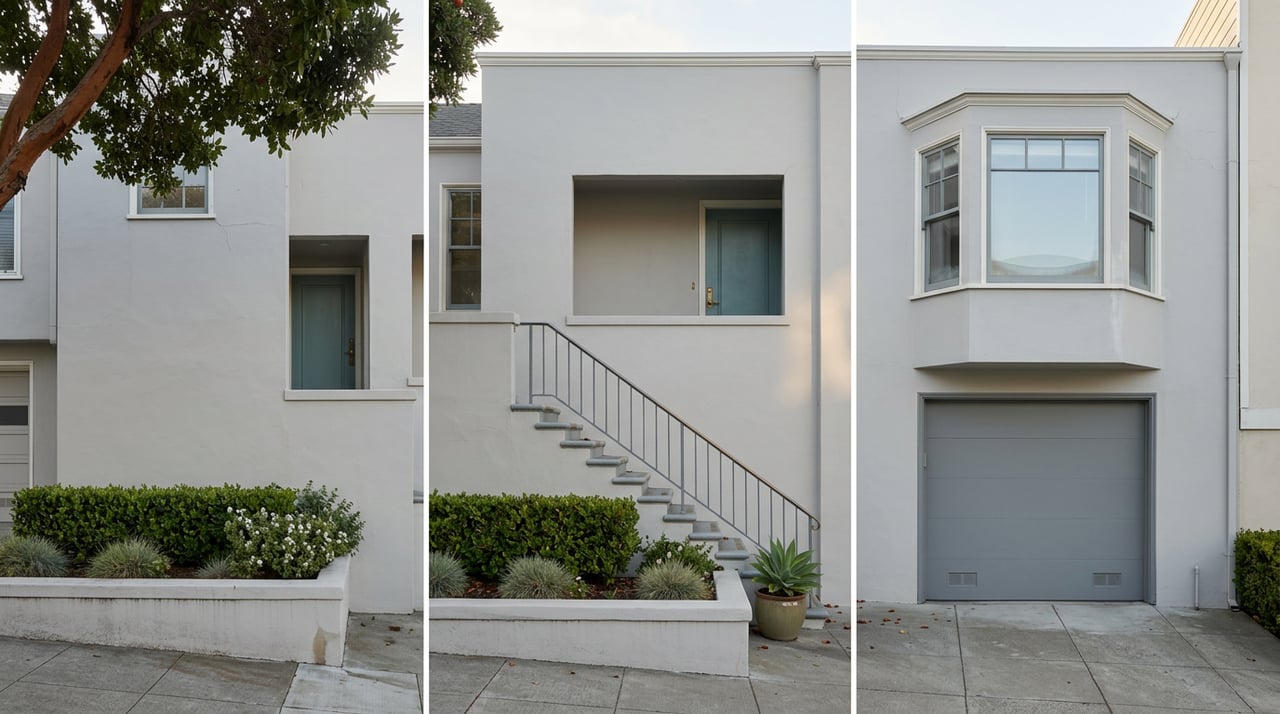
Run the math on a Sunset listing this summer and the neighborhood looks like the last affordable stretch of San Francisco's west side. As of mid-July 2026, the average asking price across active Sunset District listings sat around $912 a square foot, with a median list price of $1,388,000. Set that next to per-square-foot prices in the rest of the city and the Sunset reads like a discount.
But that number assumes every square foot on the listing sheet is a square foot a lender will actually recognize. In a meaningful share of Sunset homes, it isn't.
Checking Permit Status for Advertised Square Footage
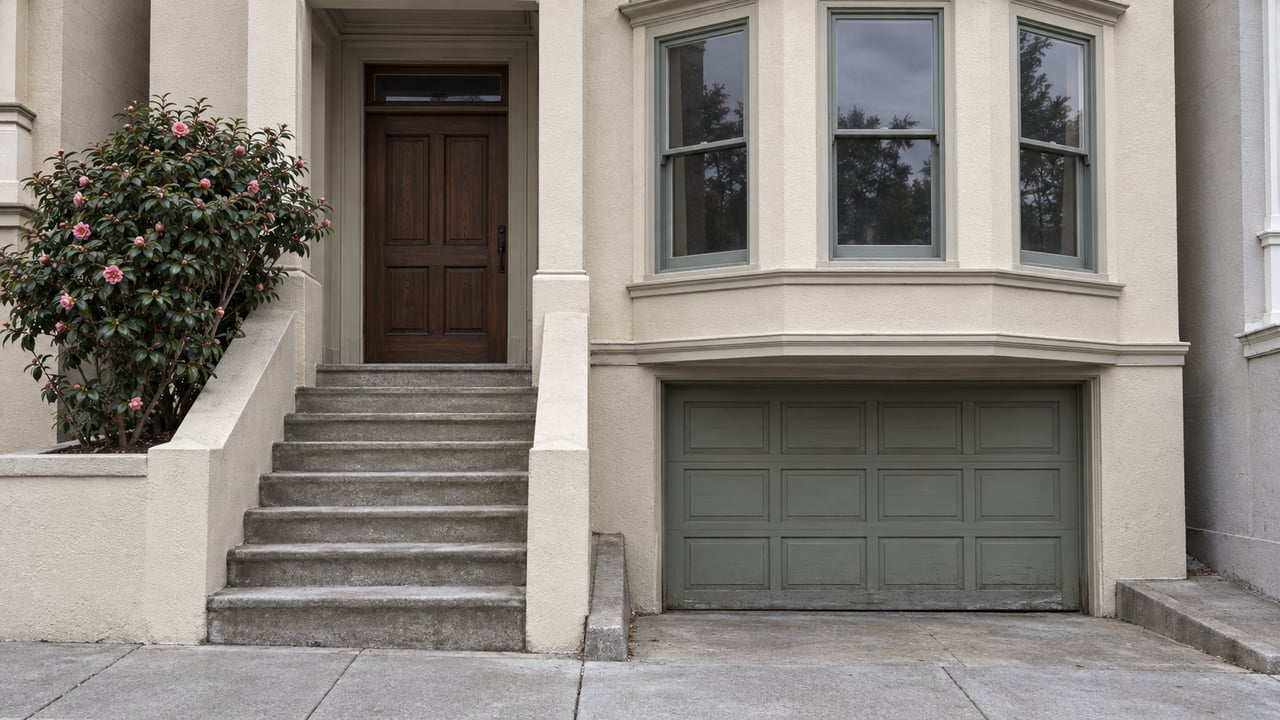
It has long been estimated that a third of homes in the Outer Sunset use converted garage space as living area, usually without a permit. That's not a rounding error. It means a meaningful share of the advertised square footage on a typical Sunset listing may be a garage that someone finished into a bedroom, a den, or a family room decades ago and never filed paperwork for.
That matters because appraisers don't count square footage the way a listing agent does. A permitted addition adds to gross living area and adds to value. An unpermitted one typically doesn't, and in some cases an appraiser will exclude it entirely from the comp. Lenders and title companies verify permit history before they'll finance a purchase, and discovering an unpermitted conversion mid-escrow can stall or kill a deal until the space is either legalized or reversed. A buyer comparing dollars per square foot across three westside neighborhoods may find that some advertised space is not recognized as gross living area.
How Market Pace Affects Due Diligence
The friction is easy to miss right now because the Sunset is moving faster than almost anywhere else in the city.
By the second quarter of 2026, sale-to-list price ratios across the three Sunset submarkets had climbed well past where they sat just a few years earlier.
| Submarket | 2023 sale-to-list ratio | Q2 2026 sale-to-list ratio |
|---|---|---|
| Outer Sunset | roughly 100-117% | 144% |
| Central Sunset | roughly 100-117% | 138% |
| Inner Sunset | roughly 100-117% | 137% |
Homes across the three neighborhoods closed in a median of about 12 days over the past year, down from 13 to 16 depending on the submarket the year before. Inner Sunset saw the sharpest compression, dropping from a 16-day median to 12. Central Sunset currently carries the highest year-to-date median price of the three at $1,925,000, just ahead of Inner Sunset's $1,802,500, continuing a back-and-forth the two neighborhoods have traded most years since 2021.
The San Francisco Standard captured what that pace looks like on the ground in a July 2026 story about a Central Sunset open house: a 1,804-square-foot home listed at $1.785 million, close to the city's June 2026 median listing price of $1.7 million, drew a crowd so large that people who arrived for the second day of showings had already missed their chance. The house sold hours later for $2.473 million, nearly 39% over asking.
In a fast-moving market, buyers may not check permit records before making an offer, so an unpermitted conversion may not come to light until appraisal or inspection.
Reviewing the Permit Record
San Francisco keeps a specific document for this. The 3-R report is the permit history file that comes up during almost every San Francisco escrow. It lists what the Department of Building Inspection has on file for a property: approved additions, sign-offs, and, by omission, anything that was built without ever going through the process.
A contractor audit of unpermitted garage-to-living conversions across the Sunset and Richmond districts earlier this year found that 82% of the sample contained a plumbing code violation, at an average cost of $9,400 to correct at time of sale. That's a specific number worth sitting with. It's a repair bill that shows up right when a seller has the least leverage to negotiate it away, because the buyer's lender is asking questions and the closing date is already on the calendar.
Not every converted garage is the same problem. A finished bonus room, a family room, an extra bedroom without a kitchen or separate entrance, is legally still part of the single-family home. Bringing it up to code is a standard building permit matter. A garage converted into a full separate unit, with its own kitchen and bath, is a different animal. It falls under a different set of rules entirely.
Two Routes for Legalizing Unpermitted Units
For that second category, full separate units, the City and County of San Francisco's Dwelling Unit Legalization Program covers units that existed before January 1, 2013. The tradeoff: a legalized unit under this program can't be subdivided or sold as a separate condo, and units tied to certain no-fault evictions filed after March 2014 face a mandatory waiting period before they're eligible.
For unpermitted units built more recently, state law now offers a second route. According to BOXABL, AB 2533 took effect January 1, 2025, creating California's first amnesty program for unpermitted ADUs built before January 1, 2020. As Bay Area ADU Manager explains, AB 2533 limits the impact and connection fees a city can charge, though standard permit fees still apply. The Department of Housing and Community Development's ADU Handbook, updated in March 2026, remains the reference point for how that process actually runs.
Neither program makes an unpermitted conversion disappear as a cost. Both make it survivable, which is the more useful question for a Sunset seller who was staring down a July closing date.
Before Using a Per-Square-Foot Comparison in the Sunset
- Ask for the 3-R report before you fall for the listing photos, not after you're in contract.
- If a garage-level room is included in the advertised square footage, ask directly whether it was permitted, and get the answer in writing.
- Build an appraisal contingency into your offer if the price-per-square-foot comparison to other neighborhoods is part of what's drawing you to a specific house.
- If you're the one selling a home with converted garage space, get a contractor's read on what legalizing it would actually cost before you list, not after an inspector flags it.
FAQ
Does an unpermitted garage conversion mean the home can't be sold? No. It can affect the terms of a sale, but it rarely kills one on its own.
Is every finished garage in the Sunset a code problem? Not necessarily. Some were permitted properly at the time of conversion. The only way to know for a specific address is to pull the 3-R report and check what the Department of Building Inspection actually has on file.
None of this means the Sunset is a bad buy. It means the per-square-foot math that makes it look like a bargain compared to the rest of the west side needs a second look before it becomes the reason you write an offer. A contractor can tell you in an afternoon whether that bonus room over the garage was ever permitted, and what it would take to make it official if it wasn't. That's the kind of detail worth knowing before you're competing with a dozen other offers on a 12-day clock.
If you're weighing a Sunset purchase or getting a home ready to list, Kate Stoll works through exactly this kind of detail with a trusted network of contractors and inspectors before you're under pressure to decide. Schedule a consultation.
This article is general information, not legal, tax or financial advice. Consult a qualified professional about your situation.