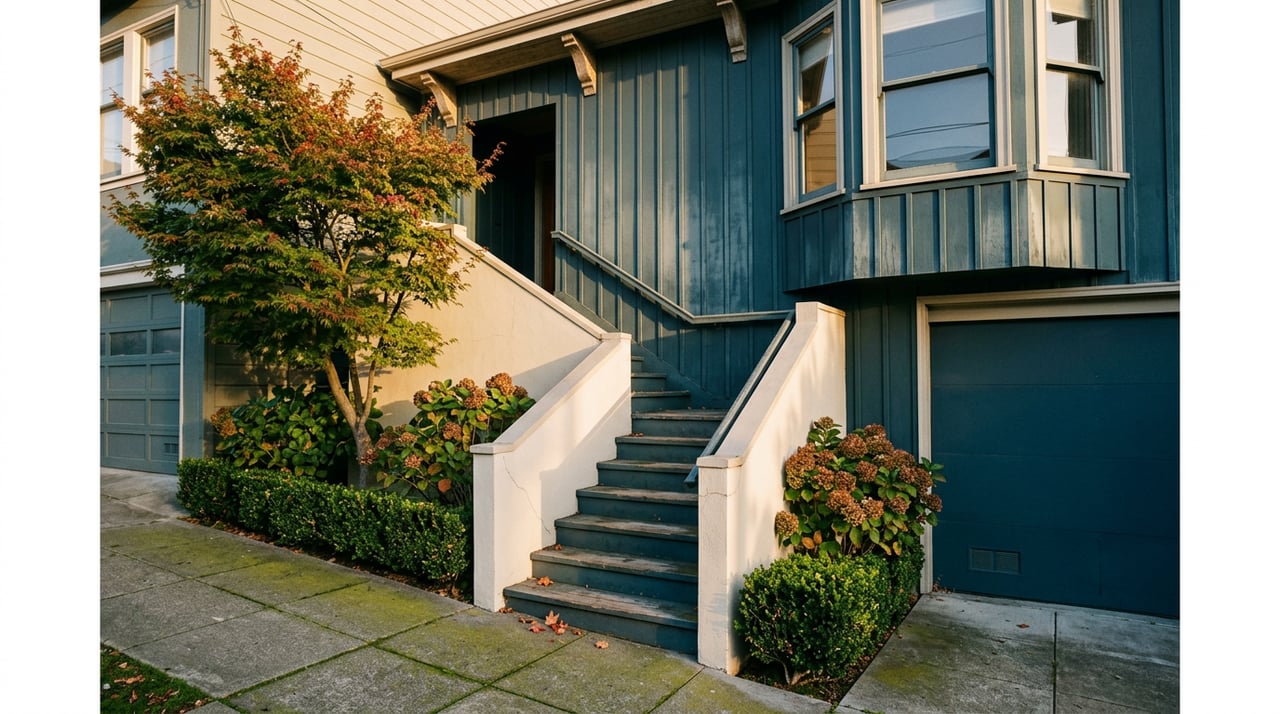
If you are thinking about buying a small multifamily in Noe Valley, you are not just shopping for a home. You are also evaluating leases, building systems, operating costs, and San Francisco rules that can shape what you can do next. The good news is that with the right due diligence, a 2 to 4 unit property can offer both flexibility and long-term upside. Let’s dive in.
Why Noe Valley draws multifamily buyers
Noe Valley remains one of San Francisco’s most closely watched neighborhoods, and current market snapshots show why. Depending on the source and methodology, reported pricing looks different, but the story is consistent: demand is strong and inventory is tight.
Recent snapshots show Redfin reporting a three-month median sale price of $2.35 million and 13 median days on market in May 2026. Realtor.com reported a median listing price around $1.4 million, median monthly rent near $4.9K, and 35 median days on market. Those figures are not directly interchangeable, but they do suggest a competitive market where buyers need to move with clarity.
For many buyers, a small multifamily in Noe Valley can create a useful middle ground. You may be able to live in one unit, collect rent from another, and hold a property that blends lifestyle with income potential.
What makes a 2 to 4 unit different
A small multifamily should not be underwritten like a single-family home. Yes, location and condition still matter, but the economics are tied to existing tenancies, shared expenses, and the physical performance of the building.
That means your review has to go beyond finishes and curb appeal. You need to understand how the property operates today, what it costs to maintain, and what limits or opportunities come with the current tenant setup.
In practical terms, buyers should review the basics of each unit carefully, including:
- Current rent
- Lease term
- Security deposit
- Utility split
- Included services or appliances
- Any side agreements or concessions
These details affect cash flow, future renovation plans, and your flexibility after closing. If the building looks good on paper but the lease terms are unclear, that is a signal to slow down and verify the numbers.
Focus on the rent roll early
With a small multifamily, the rent roll is part of the purchase story. It helps explain current income, but it also gives you a window into how the property has been managed.
A clean rent roll should line up with the leases, deposits, and utility arrangements. If there are gaps between what is advertised and what the documents show, you will want those questions answered before you remove contingencies.
Vacancy can also change the math in a meaningful way. San Francisco says there is no cap on the initial rent when a covered unit is vacant, which means a vacant unit may create different economics than a fully occupied one.
Understand San Francisco rent rules
This is where many multifamily buyers get tripped up. In San Francisco, a 2 to 4 unit property is often governed by local tenant protections and rent rules that are more specific than buyers expect.
According to city materials, most residential tenants in San Francisco have eviction protections, and eviction is a legal process. The city also states that the allowable annual rent increase for covered units is 1.6% for March 1, 2026 through February 28, 2027, and landlords can raise rent only once every 12 months.
For condominiums and buildings with 1 to 9 residential units, a landlord must obtain a rent-increase license before imposing annual or banked increases. Owners of residential property are also required to report into the Rent Board Housing Inventory.
The big takeaway is simple: do not assume a small multifamily works like a house with a bonus unit. It is its own category, and the local rules matter.
Owner move-in takes planning
If your plan is to buy a small multifamily and live in one of the units, timing matters. An existing tenancy may limit how quickly you can move in or change the use of the property.
San Francisco states that an owner or relative may recover possession only for use as a principal residence for at least 36 continuous months. The city also notes that no-fault evictions can involve relocation payments and are complex enough that legal advice is strongly recommended.
That does not mean owner-occupant purchases are off the table. It means your move-in strategy needs to be realistic, documented, and reviewed early so you understand the timeline before you write an offer.
Inspect the building like an investor
Every buyer should inspect carefully, but with a multifamily property, inspection is part of underwriting. You are not just asking, “Do I like the building?” You are asking, “What will this building require from me over the next few years?”
Recurring ownership costs can include property taxes, insurance, water, utilities, repairs, and maintenance. Those expenses can be significant, and they should be part of your analysis from the start.
Shared systems deserve extra attention in a 2 to 4 unit property. Think roof, foundation, plumbing, electrical, and any common-area conditions that could affect multiple units at once.
A practical due diligence checklist often includes:
- General property inspection
- Review of shared building systems
- Confirmation of utility setup and billing
- Lease and deposit review
- Repair and maintenance history
- Insurance cost discussion
- Property tax planning
A satisfactory inspection contingency is not just a safety net. In this property type, it is one of the most important tools you have.
Renovation upside is real, but only with discipline
Many Noe Valley multifamily buyers are drawn to value-add potential. That can be smart, but in San Francisco, the best opportunities usually come from disciplined improvements rather than overly aggressive plans.
The city’s permit guidance says most building permit applications require plans, though some smaller jobs can be handled more simply. Like-kind window replacement or a kitchen or bath remodel without changing the floor plan may be more straightforward than a larger reconfiguration.
Before you assume expansion potential, verify parcel-level rules on the San Francisco Property Information Map. In San Francisco, neighborhood identity matters less than the actual zoning and permit conditions tied to the specific property.
This is where clear scoping helps. A smart plan often starts with what is feasible now, what may require more review, and what improvements support either livability or long-term value without creating unnecessary risk.
Check seismic and historic issues early
Older San Francisco multifamily properties can come with extra layers of due diligence. Two of the most important are seismic history and historic status.
San Francisco DBI identifies a Mandatory Soft Story Retrofit Program for soft-story wood-frame buildings. If you are considering an older building, check whether retrofit work was required, completed, or still needs review.
Historic status matters too. San Francisco maintains an official list of city landmarks and historic districts, and that should be confirmed before you make assumptions about exterior changes or larger renovation plans.
Neither issue is automatically a deal breaker. They just need to be understood early, because they can affect scope, cost, and timeline.
Run the numbers with real expenses
A small multifamily can look attractive based on purchase price and rent alone, but that is not enough. You need a realistic operating picture.
When buyers stretch to make a deal work, they sometimes focus too much on projected upside and not enough on recurring costs. In a high-cost market like Noe Valley, that can create stress fast.
Your analysis should account for:
- Property taxes
- Insurance
- Water
- Utilities
- Repairs
- Ongoing maintenance
- Turnover risk
- Vacancy assumptions
That fuller view helps you answer the most important question: does the property still make sense under realistic conditions, not just best-case ones?
A smart Noe Valley buying strategy
The strongest multifamily buyers usually come in with a simple framework. They know whether they are prioritizing immediate move-in, current cash flow, future renovation upside, or a mix of all three.
From there, the goal is to match the right building to the right plan. A property with stable tenants may offer predictable income but less short-term flexibility. A property with a vacant unit may offer more options, but it can come at a different price and with different competition.
This is where a direct, local process matters. In San Francisco, a good multifamily purchase is rarely about forcing a property into a perfect story. It is about understanding the tradeoffs, verifying the details, and making a decision that fits your timeline and risk tolerance.
If you are considering a small multifamily in Noe Valley, it helps to have an advisor who can connect the dots between market context, inspections, lease review, renovation feasibility, and the vendors needed to evaluate the building properly. If you want a candid, step-by-step plan, schedule a consultation with Kate Stoll.
FAQs
What should you review before buying a small multifamily in Noe Valley?
- You should review the rent roll, leases, deposits, utility splits, shared building systems, inspection findings, operating costs, and any renovation limits tied to permits, seismic history, or historic status.
How is a 2 to 4 unit property different from a single-family home in San Francisco?
- A 2 to 4 unit property combines homeownership with rental operations, so you need to evaluate tenant rules, recurring expenses, maintenance, and local rent regulations in addition to the building itself.
Can you move into one unit after buying a Noe Valley multifamily property?
- Possibly, but an existing tenancy can limit timing, and San Francisco states that owner or relative move-in rules require use as a principal residence for at least 36 continuous months.
How do San Francisco rent rules affect small multifamily buyers?
- City rules can affect annual rent increases, rent-increase licensing for certain buildings, eviction protections, and reporting obligations, so buyers should understand the local framework before making assumptions about future income or occupancy.
What renovation projects are usually easier in a San Francisco multifamily building?
- Smaller like-kind improvements, such as some window replacements or a kitchen or bath remodel without changing the floor plan, may be simpler than major reconfigurations, but the property’s permit and parcel-level rules still need to be verified.
Why does vacancy matter when buying a small multifamily in Noe Valley?
- San Francisco states there is no cap on the initial rent when a covered unit is vacant, so a vacant unit can change the property’s income potential and overall economics in a meaningful way.